
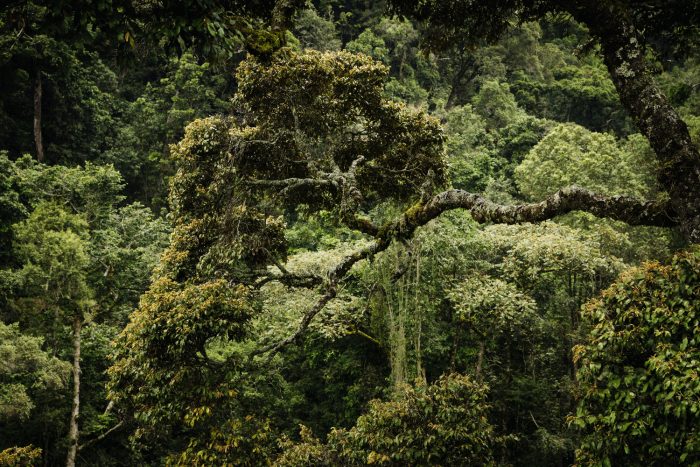
Gishwati Mukura National Park is Rwanda’s youngest national park and one of the strongest forest recovery stories in the country. It was created in 2015 by bringing together the Gishwati and Mukura forest blocks, two highland forests sitting along the Congo-Nile Divide in western Rwanda. The park covers about 35.5 sq km and forms part of a wider Albertine Rift forest landscape close to Lake Kivu, Rubavu, Rutsiro, Ngororero and Karongi.
This is a small park, but it carries a big story. Gishwati was once part of a much larger forest before settlement, farming and grazing pressure reduced it heavily. What you walk through today is a forest finding its strength again. The trees are coming back, the birds are returning, primates are moving through the canopy, and the forest feels alive in a quiet, personal way. You do not visit Gishwati Mukura only to tick off wildlife. You come to see how Rwanda is rebuilding a forest that was almost lost.
The main experiences here are chimpanzee trekking, golden monkey viewing, guided forest walks, birdwatching and community visits around the park edge. The forest is home to chimpanzees, golden monkeys, L’Hoest’s monkeys, blue monkeys and other small forest wildlife. For birders, Gishwati Mukura gives you a rewarding Albertine Rift experience, with forest birds, colourful turacos, sunbirds and other highland species moving through the trees and along the trails.
Gishwati Mukura is best for travellers who want a quieter Rwanda forest experience beyond Volcanoes National Park and Nyungwe Forest. It fits well into a western Rwanda route with Lake Kivu, Kibuye, Rubavu, Nyungwe, Volcanoes National Park and Kigali. Kibuye works very well as a restful Lake Kivu stop before or after the forest, while the wider Karongi area also connects well with Nyungwe, Gisovu tea country, Bisesero and Lake Kivu. Take your time here. Walk slowly, listen to the forest, meet the communities around the park edge, and you begin to understand how people and conservation now live side by side in this part of Rwanda.
Best Things to Do in Gishwati Mukura National Park
Gishwati Mukura National Park is small, but the forest gives you more than many travellers expect. This is a place of primates, birds, waterfalls, forest trails, community life and quiet conservation stories. You do not come here to rush from one stop to another. You come to slow down, walk under the trees, listen to the forest, and feel how Rwanda has brought this once-damaged forest back into active protection.
The park has more than 60 tree species, including bamboo, hardwoods, ferns, mahogany, orchids and other forest plants. These trees are not just scenery. They feed and shelter chimpanzees, monkeys, birds, butterflies and small mammals. As you walk, your guide helps you notice the small things many travellers miss: a call from the canopy, fresh primate signs on the trail, a butterfly resting on a leaf, or the cool smell of the forest after rain.
Chimpanzee Trekking and Primate Watching in Gishwati Forest
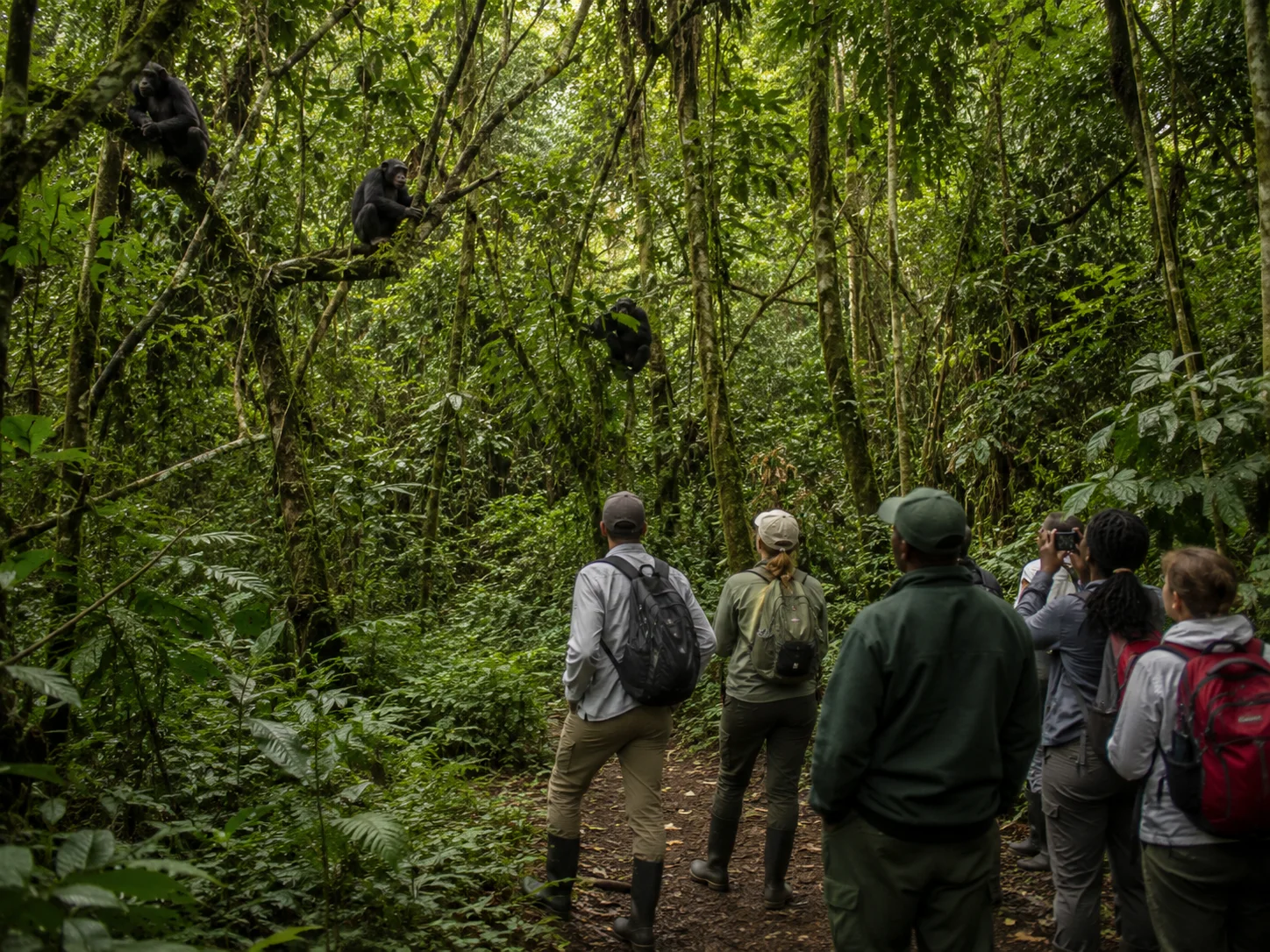
Chimpanzee trekking is one of the main reasons travellers visit Gishwati Mukura National Park. The forest is home to chimpanzees, golden monkeys, blue monkeys, L’Hoest’s monkeys, black-and-white colobus monkeys and baboons, giving you a rich primate experience in a quieter part of Rwanda.
Your chimpanzee trek starts with a briefing at the park office. This is where you learn how the walk works, how to behave in the forest, what to carry, and how to keep the experience safe for both you and the primates. From there, you enter the forest with a trained park guide and begin following the signs of movement through the trees.
The chimpanzees of Gishwati have a deep conservation story. Their numbers suffered badly when the forest was reduced by habitat loss and poaching, but strong conservation work has helped the forest recover. Today, seeing primates here feels meaningful because you are walking through a landscape that is still healing.
Sightings depend on where the chimpanzees have moved, the weather, feeding areas and fruiting trees. That is part of the beauty of this experience. It feels natural, quiet and less crowded than Rwanda’s busier primate areas. While tracking, you can also come across duikers, serval cats, forest birds, butterflies and small forest life along the trail.
Birdwatching in Gishwati Mukura National Park
Gishwati Mukura is a rewarding birding area for travellers who want to see Rwanda’s Albertine Rift forest species. More than 83 bird species have been recorded in the park, including around 15 Albertine Rift species. Because the forest is compact and quiet, birding is best done slowly on foot with a local guide.
This is not the kind of birding where you rush through the trail. You stop, listen, wait, and let the forest speak. A small call above you can lead to a turaco moving through the branches. A quick flash of colour can turn into a sunbird feeding near the forest edge.
Birds to look out for include the Rwenzori turaco, Rwenzori batis, purple-breasted sunbird, regal sunbird, red-throated alethe, mountain yellow warbler, grey-crowned crane, martial eagle, wood hoopoes, strange weavers and stripe-breasted tit. The best birding moments come during guided forest walks, when your guide helps you identify calls, feeding spots and movement in the canopy. Even if you are not a serious birder, the forest sounds and bird activity add life to every walk.
Guided Nature Walks and Forest Hiking
Guided nature walks are the best way to feel the real character of Gishwati Mukura National Park. The trails take you through regenerating forest, thick canopies, bamboo patches and quiet sections where you can see birds, butterflies, chameleons, insects, orchids and primates.
These walks are not only about reaching a viewpoint. They help you understand the forest. You see how the trees are returning, how the undergrowth supports small life, and how this park has become one of Rwanda’s important conservation areas.
One of the main highlights is the walk to Kazeneza Waterfall, set inside the forest. The route gives you a good feel of Gishwati, with shade, fresh air, forest sounds and the steady rhythm of walking under the trees. Along the way, your guide can point out tree species, bird calls, medicinal plants and signs of primate movement.
Carry comfortable walking shoes, water, light rain protection and clothing that can handle a damp forest trail. The forest can feel fresh and cool, but the paths can also be slippery after rain, so it is better to come ready for real forest walking.
Local Cultural Experiences Around Gishwati Mukura
The communities around Gishwati Mukura are part of the wider park experience. A visit here is not only about the forest. It is also about the people who live near it, farm near it, protect it and share the landscape with it every day. Cultural visits can include local homesteads, farm visits, traditional food preparation, craft making, dance, drama, songs and storytelling. You can meet local people, hear “Muraho” as a greeting, see how families prepare food, and learn how daily life continues around the park.
Some visits can also include traditional healers who explain how certain forest plants have been used in local medicine. This adds depth to the experience because you begin to see the forest as more than trees and wildlife. It becomes a living landscape with memory, culture and community knowledge. For travellers who enjoy people-focused experiences, this is one of the best ways to understand the park beyond the trail. You see how conservation supports local people and how the communities around Gishwati Mukura remain part of the park’s future.
Cycling Near Gishwati Mukura and the Congo Nile Trail
Gishwati Mukura also works well with cycling routes near Lake Kivu and the Congo Nile Trail. This is a good add-on for travellers who want a more active Rwanda journey with forest walks, community stops, lake views and countryside riding. The Congo Nile Trail follows parts of Rwanda’s western landscape, passing lake shores, villages, farms and forested highlands. As you ride, you see a different side of the country. You pass small homes, gardens, banana plants, children walking from school, people carrying produce, and hills that roll down toward Lake Kivu.
For travellers combining Gishwati Mukura with Lake Kivu, Kibuye, Rubavu or Nyungwe, cycling gives you a slower way to feel the countryside between forest and lake. It is best planned before or after the forest visit, rather than inside the main park experience. This works well if you want a Rwanda itinerary that does not only move by vehicle. You can walk in the forest, meet nearby communities, cycle through rural highlands, and rest near Lake Kivu, giving the journey more movement, more contact and more life.
How to Get to Gishwati Mukura National Park
Gishwati Mukura National Park is reached mainly by road, with most journeys starting from Kigali or the Lake Kivu side. From Kigali, the drive takes about 2 to 3 hours, depending on traffic, weather, and the forest entry point you are using. You travel west through Rwanda’s beautiful hill country, passing towards Karongi, Ngororero, and Rutsiro, where the park sits close to Lake Kivu and the Congo-Nile landscape.
Getting to Gishwati Mukura from Kigali
The easiest way to reach Gishwati Mukura from Kigali is by private safari vehicle. This gives you time to enjoy the hills, stop for photos, pass through local communities, and see tea plantation scenery along the way. As you get closer to the forest edges, the roads can become slippery after rain, so a good vehicle makes the journey smoother and more comfortable.
Getting to Gishwati Mukura from Lake Kivu
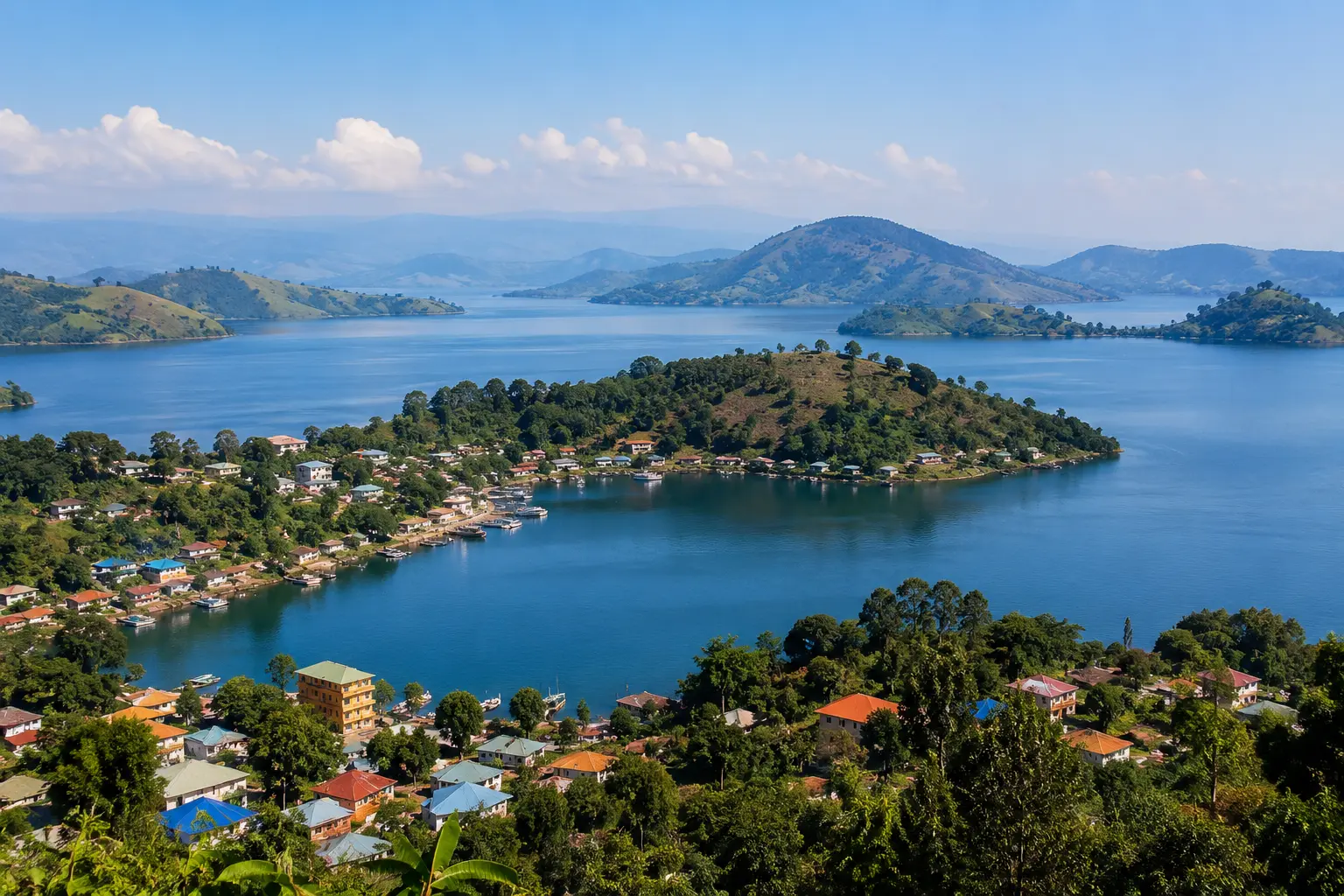
If you are staying around Kibuye or Karongi, Gishwati Mukura is about 1 hour by road. This makes it easy to combine the park with Lake Kivu, the Congo Nile Trail, Nyungwe Forest, or a wider western Rwanda safari. Charter flights can be arranged for high-end trips, but for most travellers, road travel gives the clearest and most flexible way to reach the park.
Where to Stay Near Gishwati Mukura National Park
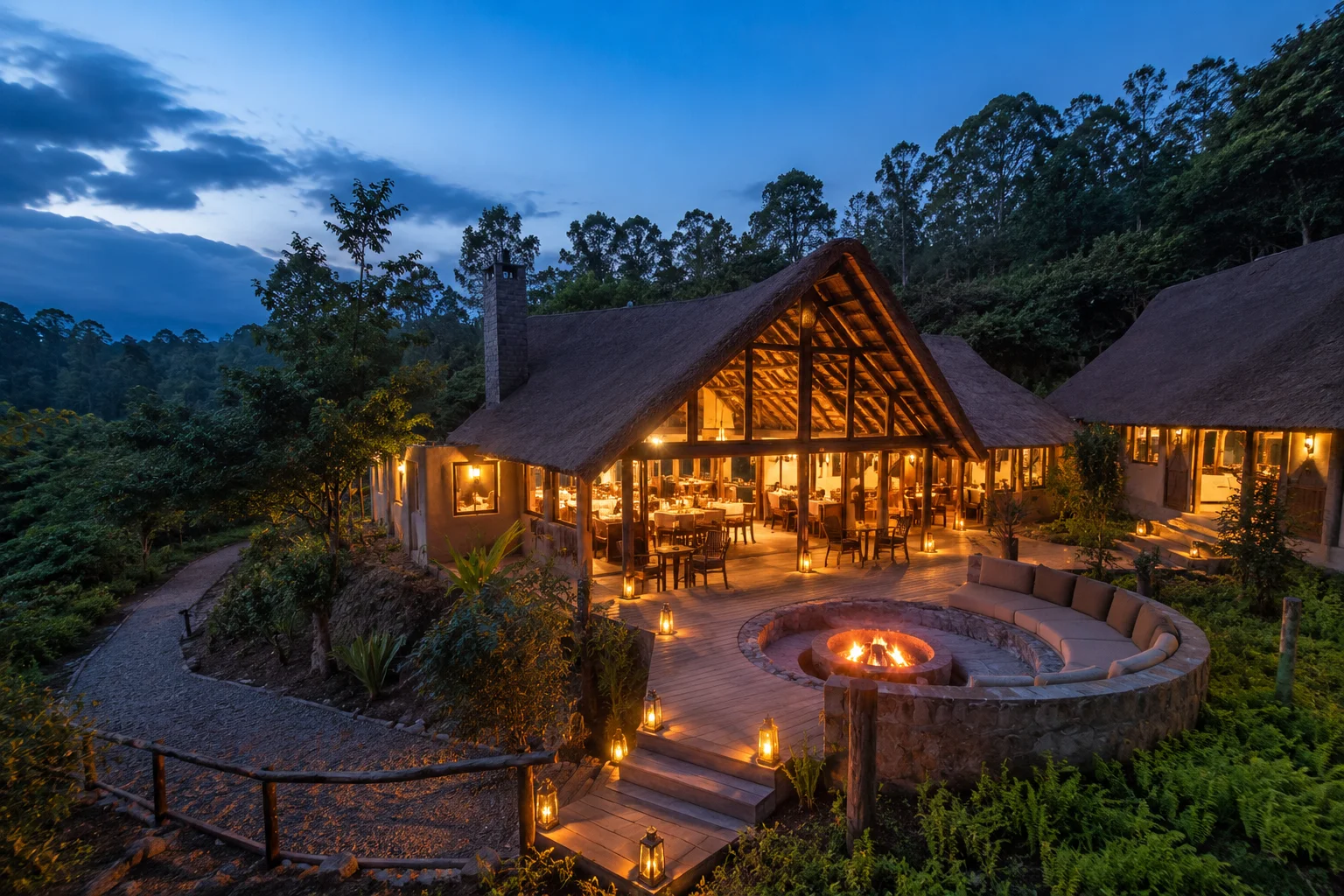
Accommodation near Gishwati Mukura National Park is still limited, and that is part of what makes this forest feel quiet and undeveloped. This is not a park with many lodges around the gate. Gishwati Mukura is still a young national park, and tourism around the forest is still growing slowly. For travellers who want to sleep close to the forest, Gishwati Lodge is the main high-end choice. It is a small luxury forest lodge with about six luxury chalets, giving the place a quiet and personal feeling. With space for fewer than 15 guests at a time, the stay feels calm, private, and close to nature.
Gishwati Lodge
Gishwati Lodge works well when you want quick access to the forest. From here, you are well placed for guided nature walks, primate viewing, bird watching, and learning more about the conservation story of Gishwati Mukura. This is the kind of place where the forest feels part of your stay. You are not coming only to sleep. You are staying close to the same landscape being restored and protected. The lodge also connects well with the wider story of forest recovery, local communities, and the effort to protect Rwanda’s montane forest. Because it is small, the experience feels more personal. You wake up near the forest, move at a slower pace, and begin your activities without long transfers from a busy town. For travellers who want comfort, quiet surroundings, and a stronger connection to Gishwati Mukura, this is the best place to stay near the park.
Staying in Rubavu, Lake Kivu or the Volcanoes National Park Area
Because accommodation inside and around Gishwati Mukura National Park is still limited, some travellers choose to stay in more established areas and visit the park as a day trip. Rubavu, Lake Kivu, and the Volcanoes National Park area give you more choice of hotels, lodges, restaurants, and travel services. These places work well when you want a wider range of accommodation and a more developed overnight base.
From these areas, you can drive to Gishwati Mukura for forest activities, spend time in the park, then return later to your hotel or lodge. This works well for travellers combining Gishwati Mukura with Lake Kivu, Volcanoes National Park, gorilla trekking, or a longer Rwanda safari route.
The best place to stay depends on the kind of trip you want. Stay close to the forest if Gishwati Mukura is the main focus of your visit. Stay in Rubavu, Lake Kivu, or near Volcanoes National Park if you want more hotel choice and you are visiting Gishwati Mukura as part of a wider Rwanda journey.