
Kidepo Valley National Park sits deep in the far north-east of Uganda, close to the borders of South Sudan and Kenya. It covers about 1,442 sq km of rugged savannah, rocky hills, open valleys, seasonal rivers, and low mountains in the Karamoja region. The park lies near Karenga in Kaabong District, about 520 km by road from Kampala and roughly 220 km northwest of Moroto, the main town in the sub-region.
This is Uganda’s most remote national park, and that distance is part of what makes Kidepo so special. You do not come here by accident. You travel across long roads, wide country, dry plains, and quiet settlements until the land begins to open around you. When you arrive, the sky feels bigger, the valleys feel empty in the best way, and the safari feels far from the noise of the usual tourist routes. There is no rush here. Kidepo gives you space, silence, wildlife, and that deep feeling of being somewhere truly wild.
The landscape rises from about 914 metres on the valley floor to around 2,750 metres at Mount Morungole, the great mountain that stands over the northern horizon. Below it, the park spreads out in broad plains, rocky ridges, dry riverbeds, and open grassland. The Kidepo and Narus rivers shape much of the park’s life. The Narus Valley is the main wildlife area because it keeps more water during the dry months, pulling animals into the open where game drives become very rewarding. The Kidepo Valley feels even wilder, with its seasonal riverbed drying for long periods and leaving behind one of the most powerful savannah scenes in Uganda.
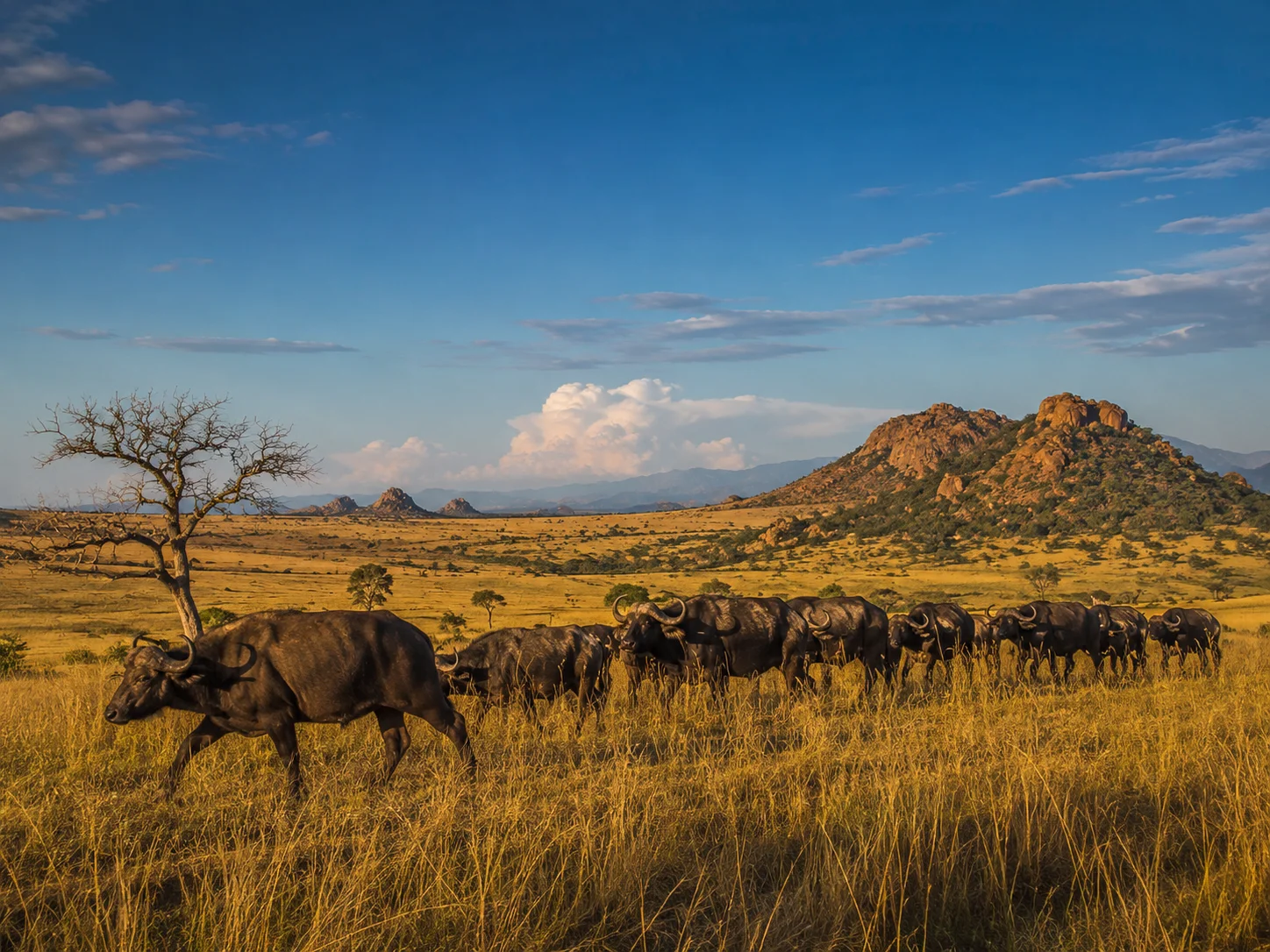
Kidepo was gazetted as a national park in 1962, and today it stands among Uganda’s finest big-game safari areas. The park supports about 75 mammal species and around 475 bird species, giving you strong chances to see elephants, buffaloes, lions, leopards, giraffes, zebras, ostriches, and several antelope species. But Kidepo is not only about wildlife. A visit here also brings you closer to northern Uganda through the Karamojong communities, the Acholi people, nature walks, birding, hiking, and cultural visits around the park. It is a safari for travellers who want wide landscapes, fewer vehicles, strong wildlife, and a deeper connection to Uganda’s remote north.
Things to Do in Kidepo Valley National Park
Kidepo Valley National Park gives you the kind of safari that feels wide, quiet, and deeply wild. This is not a park you rush through. You come here for big open plains, far mountain views, strong wildlife viewing, dry river valleys, rocky hills, birding, hot springs, and the deep cultural life of Karamoja.
Most activities in Kidepo are built around the Narus Valley, the Kidepo Valley, the open savannah plains, Namamukweny Valley, Kanangorok Hot Springs, Mount Morungole, and the communities near the park. Each place gives you a different side of Kidepo. One moment you are watching buffaloes spread across the valley. The next, you are driving through dry country towards the South Sudan border, or walking into a village where children wave and call out as you pass.
Kidepo is for travellers who want space. You feel it in the quiet mornings, in the golden grass, in the long drive between valleys, and in the stillness that comes after sunset. It is one of Uganda’s best places for travellers who want a safari that feels far away from busy roads, crowded parks, and rushed itineraries.
Game Drives in Kidepo Valley National Park
Game drives are the main activity in Kidepo Valley National Park, and the Narus Valley is the best place to begin. This valley keeps more water during the dry months, so animals gather here in stronger numbers. If you want good wildlife viewing, this is where most drives start. Morning game drives work well from around 6:30 am, when the air is still cool and predators are still moving. Late afternoon drives around 4:00 pm are also rewarding because the heat begins to drop and animals start moving again across the plains.
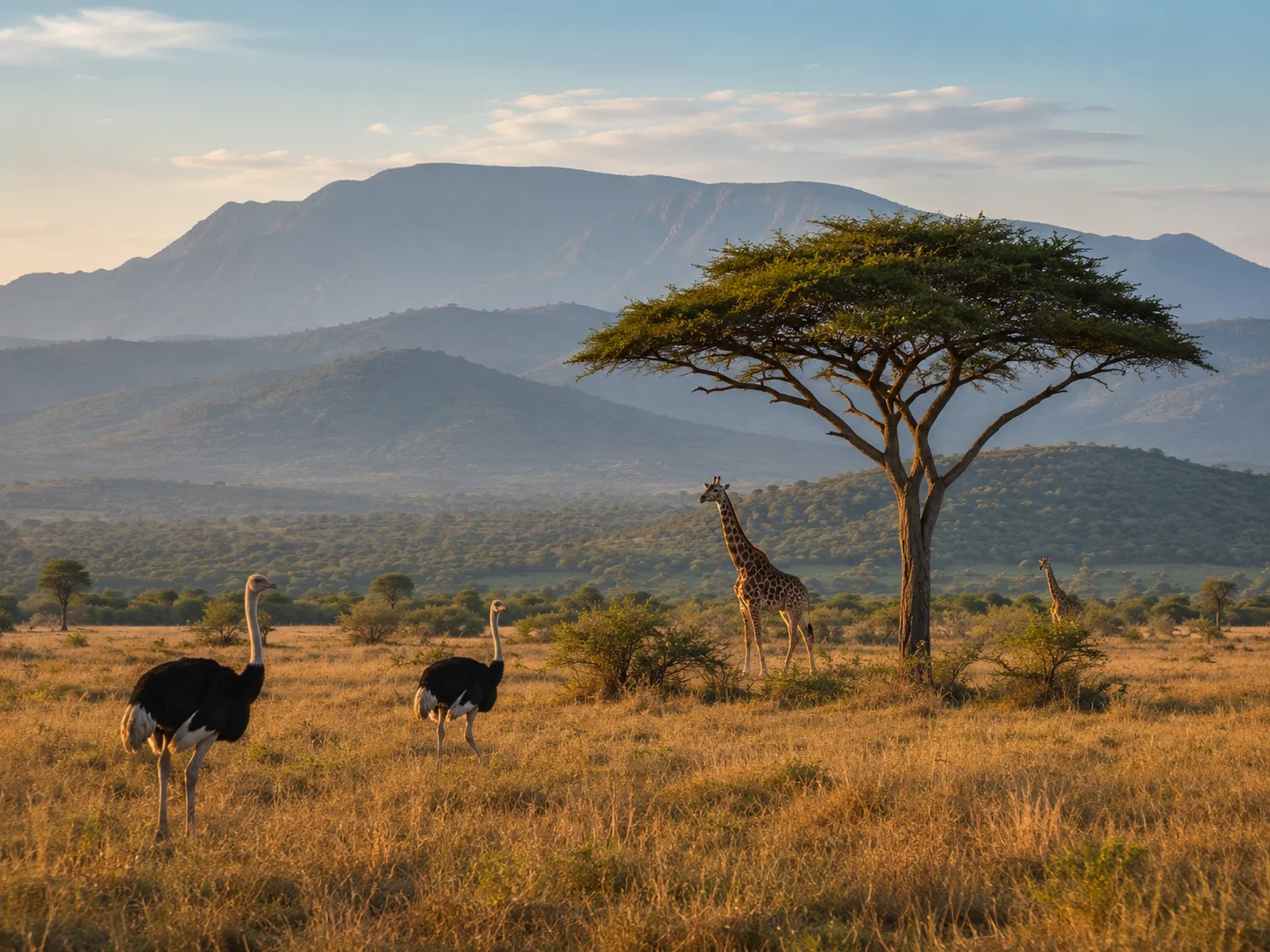
On a good drive, you can see large herds of buffalo, elephants, giraffes, Burchell’s zebras, bush duikers, jackals, bush pigs, warthogs, and antelopes spread across the valley. Lions, leopards, and hyenas also live here, and this is where the value of a Uganda Wildlife Authority ranger becomes clear. A good ranger reads the tracks, understands animal movement, and knows which areas are safe and rewarding to explore. What makes a Kidepo game drive special is the feeling of space. You are not only looking for animals. You are driving through a wild, open landscape where the hills sit far away, the grass moves with the wind, and every sighting feels earned.
Guided Nature Walks in Kidepo Valley National Park
Nature walks in Kidepo take you closer to the smaller details you miss from a safari vehicle. You slow down, listen more, and start noticing the park differently. Short guided walks can take you into Namamukweny Valley, a strong birding area reached on foot with ranger guidance. Longer walks can lead through parts of the Narus Valley and towards the Lomej Mountains, where the landscape opens into rocky hills, grassland, and wide viewpoints.
All nature walks inside the park are done with a ranger for safety. This is important because Kidepo is true wilderness, not a fenced walking trail. The ranger helps you understand tracks, animal signs, wind direction, safe walking routes, and the behaviour of wildlife in the area. The reward is the slower pace. You hear the wind moving through the grass, notice footprints on the ground, watch birds more closely, and feel the size of Kidepo without the sound of an engine around you.
Bird Watching in Kidepo Valley National Park
Kidepo is one of Uganda’s strongest birding parks, with more than 475 bird species living across its savannah, valleys, woodland, and rocky areas. It is a rewarding place for serious birders, but it also works beautifully for travellers who simply enjoy seeing large, colourful, and unusual birds during a safari. The park is known for ostriches, Kori bustards, handsome francolins, Verreaux’s eagles, pygmy falcons, Egyptian vultures, purple herons, Abyssinian rollers, green wood hoopoes, common bulbuls, buffalo weavers, black-breasted barbets, and white-crested turacos.
Kidepo is also strong for raptors, with around 56 species of birds of prey. This makes the park a good choice if you enjoy watching eagles, vultures, falcons, and other hunters working the open sky. Apoka Rest Camp is a useful starting point for birding because several habitats sit within easy reach. From there, you can move between open grassland, woodland, valley areas, and rocky country without needing to travel far.
Hiking Mount Morungole and Visiting the Ik People
A hike to Mount Morungole is one of the most meaningful experiences around Kidepo Valley National Park. The mountain rises above the northern skyline and gives wide views across the Karamoja plains. This is a walk to start early in the morning because the climb is long and the day becomes hot.
The hike also gives you the chance to meet the Ik people, one of Uganda’s smallest ethnic groups. This is not just a quick cultural stop added to the safari. It is a deeper experience that helps you understand life in the highlands around Kidepo, far from the main game-drive routes.
With the right local arrangement, the visit can include village interaction, stories about daily life, and a closer look at how people have lived around this remote landscape for generations. You leave with more than views. You leave with a better understanding of the people who call this part of Uganda home.
Karamojong Cultural Experiences
The areas around Kidepo are home to Karamojong communities, whose way of life is strongly shaped by cattle, dryland survival, pastoral traditions, and the open plains of north-eastern Uganda. A cultural visit helps you understand the human side of Kidepo, not only the wildlife. You can visit settlements near the park, learn about cattle culture, traditional homesteads, songs, dances, dress, local food, and community life in Karamoja. This experience works well after a game drive or on a slower afternoon when you want to understand the region beyond the park boundary. It gives the safari more depth. You begin to see how the land, the cattle, the dry seasons, the open plains, and the people are all connected.
Kanangorok Hot Springs
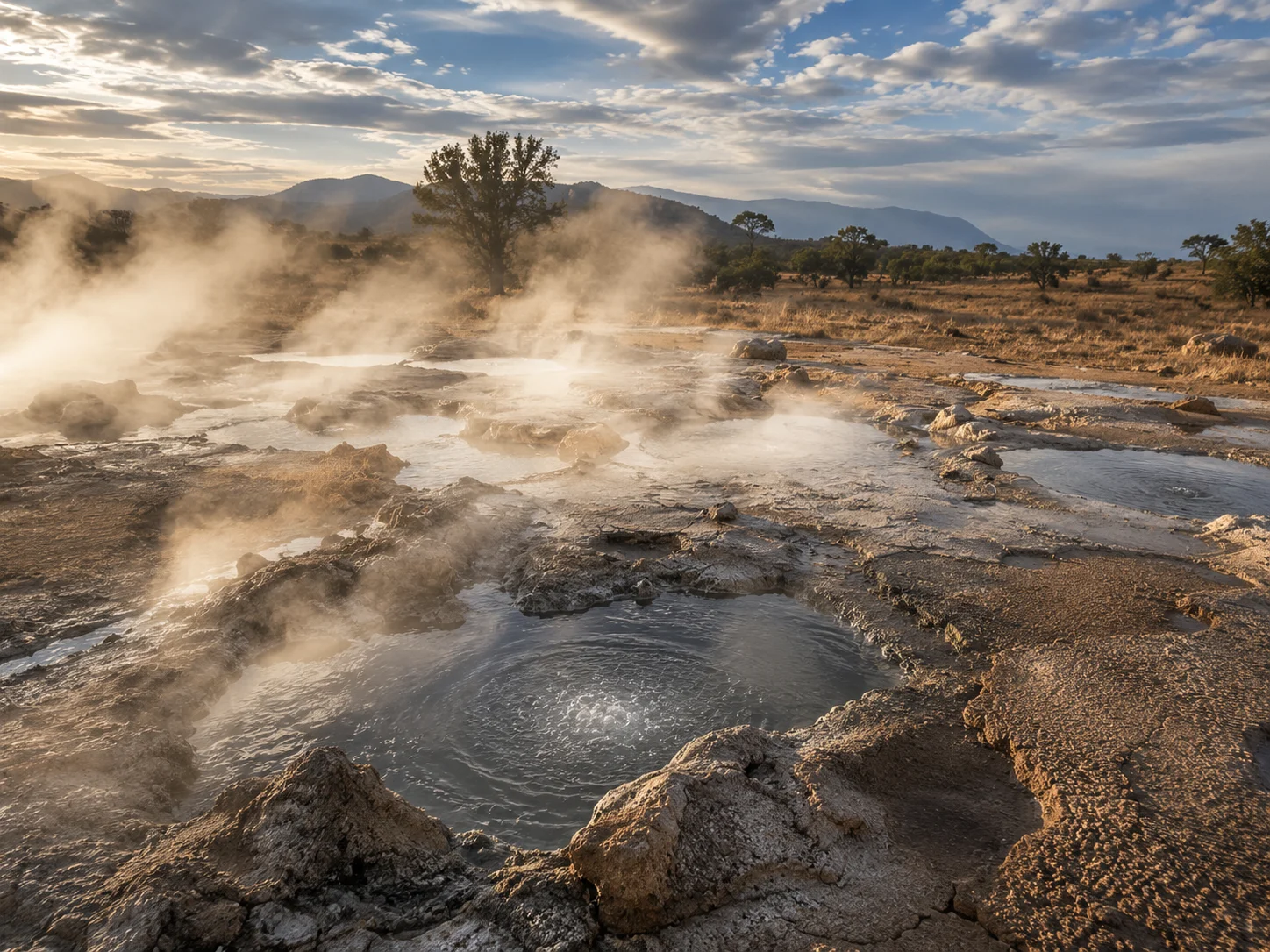
Kanangorok Hot Springs sit in the northern part of Kidepo Valley National Park, close to the South Sudan border. The drive there takes you through one of the quieter and drier parts of the park, where the land feels open, remote, and far from everything. The hot springs are not mainly about swimming or spending a long time in the water. The real experience is the journey. You drive through seasonal riverbeds, dry plains, distant hills, and open country that shows you the scale of Kidepo. This area is good for travellers who want to see the wilder side of the park beyond the Narus Valley. It feels far, quiet, and raw. You understand why Kidepo is called one of Uganda’s most remote safari parks when you take this route.
Photography in Kidepo Valley National Park
Kidepo is one of Uganda’s best parks for landscape and wildlife photography. The open plains, rocky ridges, golden grass, big skies, and low visitor numbers give you clean safari scenes without many vehicles in the frame. Early morning and late afternoon are the best times for photography because the light is soft and the animals are more active. This is when the plains glow, the hills stand clear in the background, and wildlife moves naturally across the open ground. Good subjects include buffalo herds in the Narus Valley, giraffes moving across the plains, elephants near water, lions on open ground, ostriches, dramatic clouds, dry riverbeds, and the mountain backdrop around Mount Morungole. Kidepo is not a place where you need to force the photo. You wait, watch, and let the landscape do its work.
Stargazing and Quiet Wilderness Evenings
Kidepo’s remote location gives it a quiet night atmosphere that is hard to find in busier safari areas. After sunset, the park becomes still. The skies grow dark, the plains go quiet, and the stars feel close above the open land. This is a simple but memorable part of staying in Kidepo, especially if your lodge or camp has open views across the plains. You do not need a busy evening programme here. The silence, the dark sky, and the distant sounds of the wild are part of the experience. For travellers who want a safari far from towns, traffic, and crowded routes, Kidepo’s evenings are one of the reasons the journey stays with you. It is quiet, deep, and very different from Uganda’s busier safari circuits.
How to Get to Kidepo Valley National Park
Kidepo Valley National Park sits far in northeastern Uganda, close to the wild Karamoja side of the country. Getting there needs good timing, the right route, and a strong safari vehicle if you are travelling by road. This is not a park you reach in a quick drive from Kampala, but that long journey is part of what makes Kidepo feel so special when you finally arrive. You can reach Kidepo by road or by air. Road travel gives you a deeper Uganda safari journey, with changing landscapes, northern towns, waterfalls, rhino tracking stops, and wide open country before you enter the park. Flying is better when you want to save time and arrive fresh for game drives around Apoka and the Narus Valley.
Getting to Kidepo Valley National Park by Road
The most direct road route to Kidepo Valley National Park runs from Kampala through Gulu, Kitgum, and Karenga before entering the park. This route is about 560 km and takes around 8 hours and 30 minutes in a safari Land Cruiser, depending on road conditions, traffic, and stops along the way.
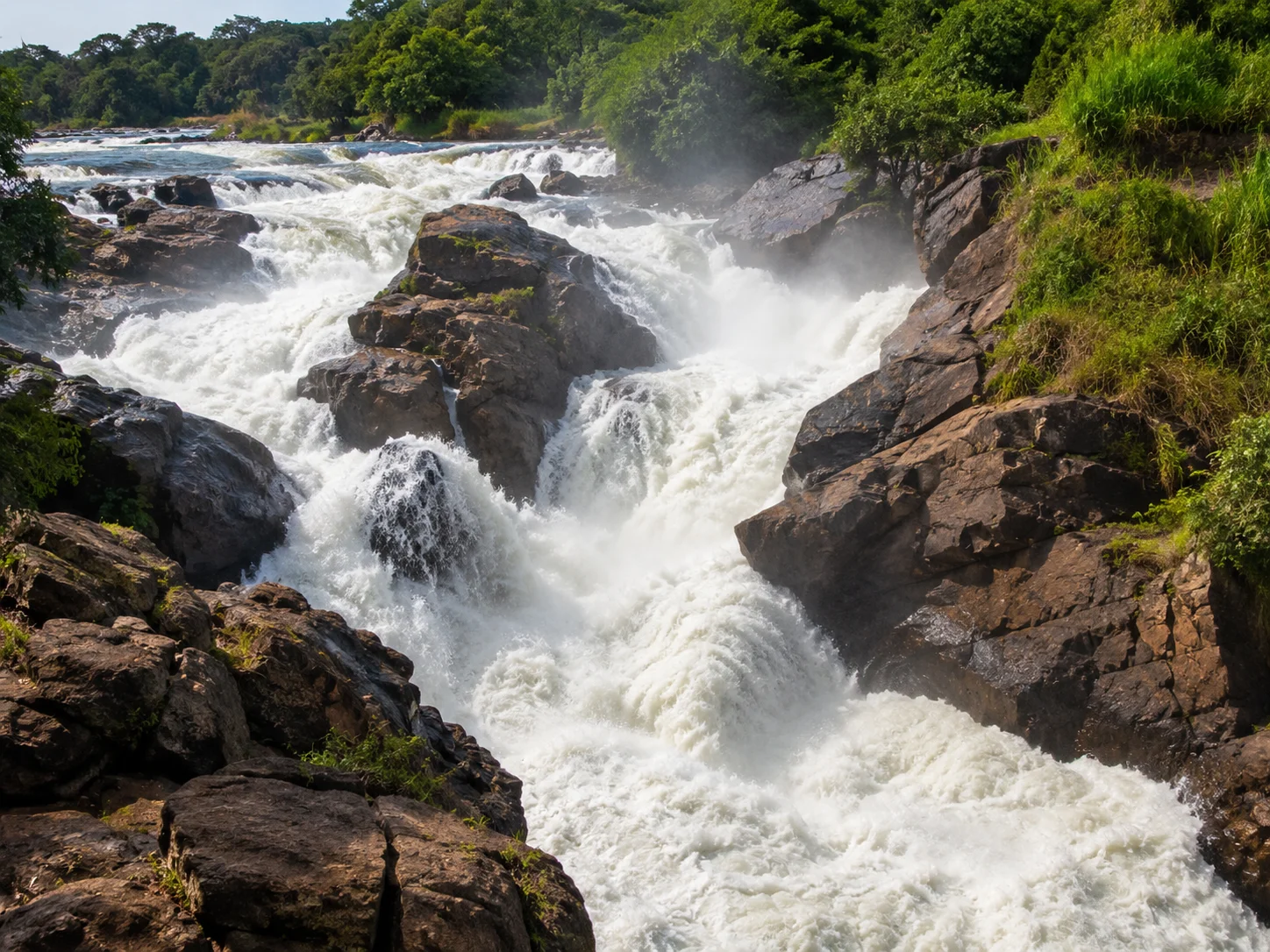
This northern route is the better choice if you want a smoother approach and a comfortable break in the journey. You can stop at Ziwa Rhino Sanctuary in Nakasongola for rhino tracking, continue past Karuma Falls in Kiryandongo, and add Aruu Falls in Gulu if your timing allows. These stops help break the long drive and turn the journey into a real northern Uganda safari, not just a transfer to the park.
A second route runs from Kampala through Jinja, Mbale, Soroti, Kalongo, and Karenga before reaching Kidepo Valley National Park. This route is about 580 km and takes around 11 hours by safari Land Cruiser. It is longer, but it gives you a richer overland journey through eastern Uganda.
This eastern route works well if you want to add places such as Sezibwa Falls, the Source of the Nile, Sipi Falls, and Pian Upe Wildlife Reserve before continuing north toward Kidepo. You move through busy towns, green eastern landscapes, open dry country, and remote roads before the park begins to feel close.
Because Kidepo is remote and some road sections are rough, a strong 4×4 safari vehicle is the best choice. A safari Land Cruiser handles the long distances, changing road surfaces, and tougher sections better than a normal car. Many travellers also break the journey with an overnight stop in Gulu, Kitgum, Soroti, or another route town before continuing to the park the next day. This is the best way to travel if you want to feel the distance, watch Uganda change slowly from the centre to the far northeast, and enjoy the journey as part of the safari.
Flying to Kidepo Valley National Park
Flying is the easiest way to reach Kidepo Valley National Park when you want to avoid the long road journey. Domestic flights can be arranged from Entebbe International Airport or Kajjansi Airfield to Apoka Airstrip, which sits inside Kidepo Valley National Park.
The flight takes around 2 hours, making it a strong choice for travellers with limited time or guests who want more comfort. Instead of spending a full day on the road, you fly over Uganda’s changing landscapes and land close to the main safari area of the park.
Some flight schedules depart Entebbe around 12:30 pm and arrive in Kidepo around 2:45 pm. Return flights can leave Kidepo around 3:00 pm and arrive back in Entebbe around 4:30 pm. These timings help you plan your arrival, lodge transfer, and first game drive with less pressure.
Small aircraft flights have limited space and can sometimes carry around 4 people per journey. Routing can also pass through Murchison Falls National Park, depending on passenger load and flight planning. Because of this, flights to Kidepo are best arranged early, especially when travelling in a small group or during busy safari periods.
Where to Stay in Kidepo Valley National Park
Where you stay in Kidepo Valley National Park shapes the whole safari. This park is remote, so accommodation is not as wide as in Uganda’s busier safari areas. The best choice depends on your budget, comfort level, and how close you want to be to the main game-drive areas around Narus Valley, Apoka, and the park entrance.
Luxury Lodges in Kidepo Valley National Park
- Apoka Safari Lodge
Set inside the park, close to the main wildlife areas around Apoka and Narus Valley. This is one of the strongest choices if you want comfort, space, easy game-drive access, and a quiet base deep inside Kidepo. - Adere Safari Lodge
A high-end option for travellers who want a more polished stay with good views, comfort, and access to the park. It works well for guests who want a softer landing after the long journey to northern Uganda.
Mid-Range Lodges in Kidepo Valley National Park
- Kidepo Savannah Lodge
A good mid-range choice near the park entrance, with a simple safari-lodge feel and easier access into the park for game drives. It suits travellers who want comfort without going fully luxury. - Nga’Moru Wilderness Camp
A semi-luxury tented camp with a wilderness feel, good views, and a strong sense of being close to the open Kidepo landscape. It works well for travellers who want a quieter camp atmosphere rather than a large lodge setting.
Budget Accommodation in Kidepo Valley National Park
- Apoka Rest Camp / UWA Bandas
A budget-friendly choice inside the park, managed by Uganda Wildlife Authority. It is simple, useful for travellers who want to stay near the main game-drive routes, and better suited to guests who do not need luxury facilities. - Kakine Self-Catering Campsite
A basic campsite near the Kidepo River area, best for self-sufficient travellers carrying their own supplies. It suits campers who are comfortable with simple facilities and want a low-cost wilderness stay. - Kidepo Guesthouse
A simple budget option for travellers who want basic accommodation around the park area. It works better for short stays, low-budget safaris, or travellers who are comfortable with modest rooms and limited services. - Morungole Guesthouse
A basic outside-park option for travellers connecting Kidepo with Mount Morungole and the Ik community experience. It is more about location and access than comfort.