
Akagera National Park Safari in Rwanda
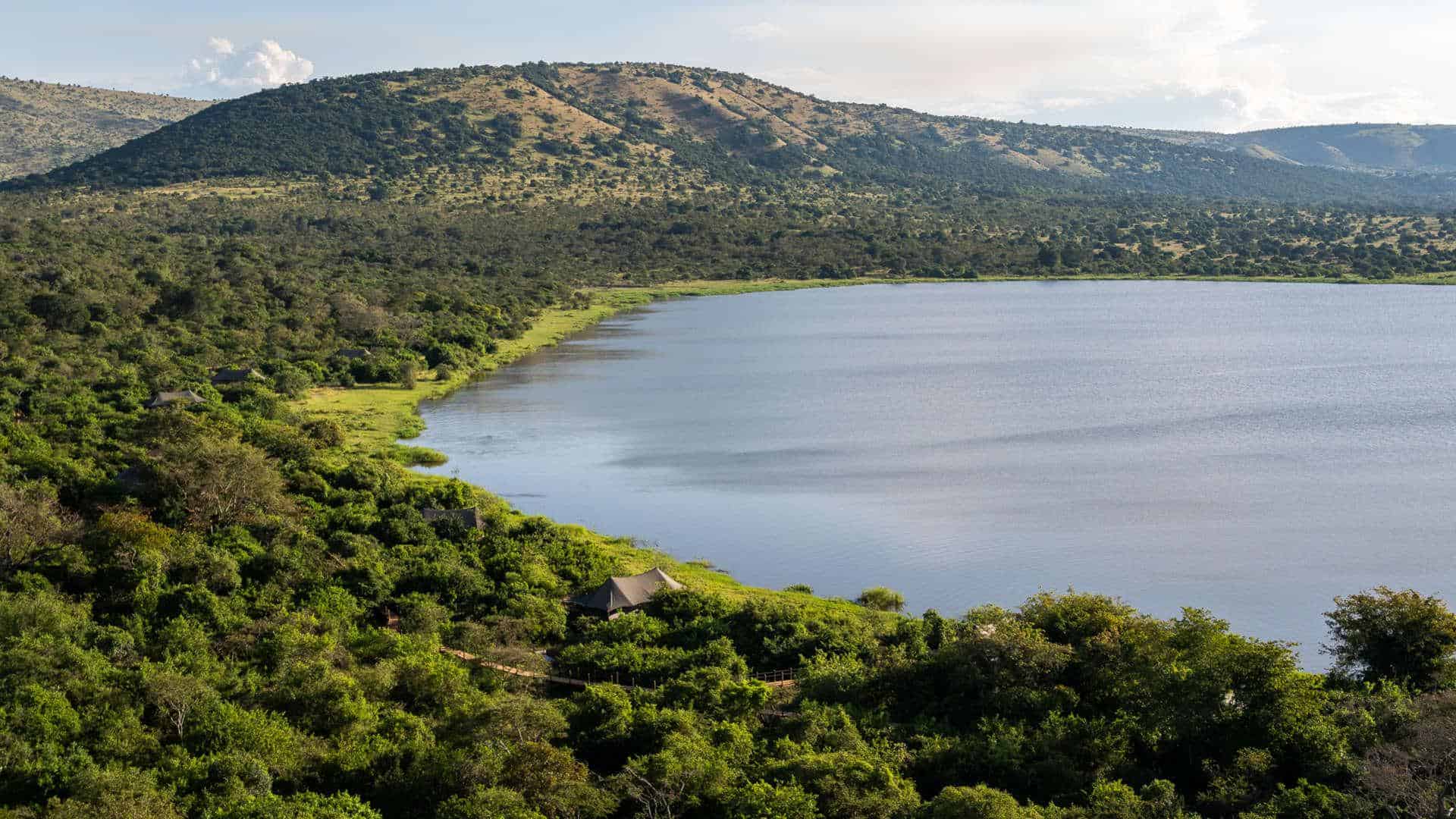
Akagera National Park is Rwanda’s main savannah wildlife park and the best place in the country for travellers who want game drives, Big Five wildlife and a boat safari without leaving Rwanda. The park lies in eastern Rwanda along the border with Tanzania, with open plains, woodland, lakes, papyrus swamps and rolling hills shaped by the Kagera River system. The park covers about 1,122 square kilometres and was established in 1934. Its landscape is very different from Rwanda’s gorilla trekking areas. Instead of thick mountain forest, Akagera has savannah, swamp and lake habitats, including Lake Ihema and several smaller lakes fed by the Kagera River. The wetlands and papyrus swamps cover a large part of the park and form one of the most important protected wetland systems in the park. A safari here is best planned around both land and water activities. Game drives give you chances to see lions, elephants, buffaloes, rhinos, leopards, giraffes, zebras, antelopes and other plains wildlife. Lake Ihema boat trips add hippos, crocodiles and waterbirds, while birdwatching, community visits and conservation activities give the park more depth than a simple drive-through safari.
How to Get to Akagera National Park
Akagera National Park is in eastern Rwanda, close to the border with Tanzania. The park is about 110 kilometres from Kigali, and the drive usually takes around 2 to 2.5 hours, depending on traffic, road conditions and the exact starting point in the city. Most visitors reach Akagera by road from Kigali, passing through Rwamagana and Kayonza before continuing to the park entrance. From the main road, the final stretch to the entrance is about 27 kilometres. The road journey is straightforward, which is why Akagera works well for a 1-day safari, a weekend trip or a short wildlife extension after other Rwanda activities. Visitors who prefer a faster or more private arrival can also use helicopter or charter flight options from Kigali. The flight usually takes about 25 to 30 minutes, but road travel remains the most common and practical way to reach Akagera National Park.
What to Do in Akagera National Park
Akagera National Park is not only about driving through the savannah and looking for animals. The park has a good mix of activities, and the best experience usually comes when you combine game drives, a Lake Ihema boat safari, birdwatching, community visits, and one or two slower activities depending on how many days you have. A 1-day Akagera safari can cover a game drive and if the timing works, a boat trip on Lake Ihema. With 2 or 3 days, you can slow the pace, reach better wildlife areas, add a night game drive, visit local communities, try fishing on Lake Shakani or include a conservation activity such as Walk the Line.
Akagera Game Drives
Game drives are the main activity in Akagera National Park. They take you through savannah plains, woodland, wetland edges and open routes where wildlife moves at different times of the day. Early morning drives are usually the best for active wildlife, cooler temperatures and better photography. Day visitors can explore the park between 6 am and 6 pm, while overnight guests can also add a guided night drive. On a day game drive, look out for elephants, buffaloes, giraffes, zebras, topis, elands, impalas, waterbucks, kobs, antelopes, lions, rhinos and other savannah animals. Sitatunga may be seen around wetland areas, though sightings need patience and luck. A park guide is strongly recommended because they know the routes, recent animal movement and the areas where different species are more likely to be found.
Night Game Drives in Akagera
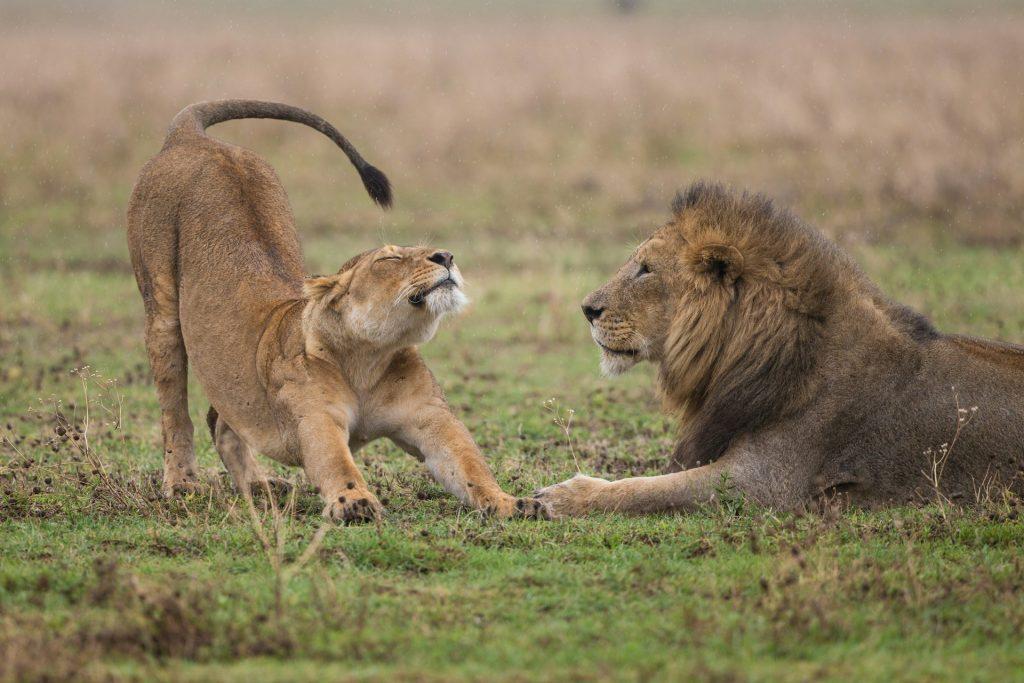
A night game drive gives Akagera a different feeling from the daytime safari. The drive is done with a guide and spotlight, usually for overnight guests and focuses on animals that are more active after dark. This is when you may see serval cats, civets, bush babies, jackals, hyenas, leopards and other nocturnal wildlife. The night drive is not about rushing through the park. It is slower, quieter and more focused on movement, tracks, eyeshine and sounds in the bush. It works best after an afternoon game drive or Lake Ihema boat safari, especially for visitors spending a night inside or near the park.
Lake Ihema Boat Safari
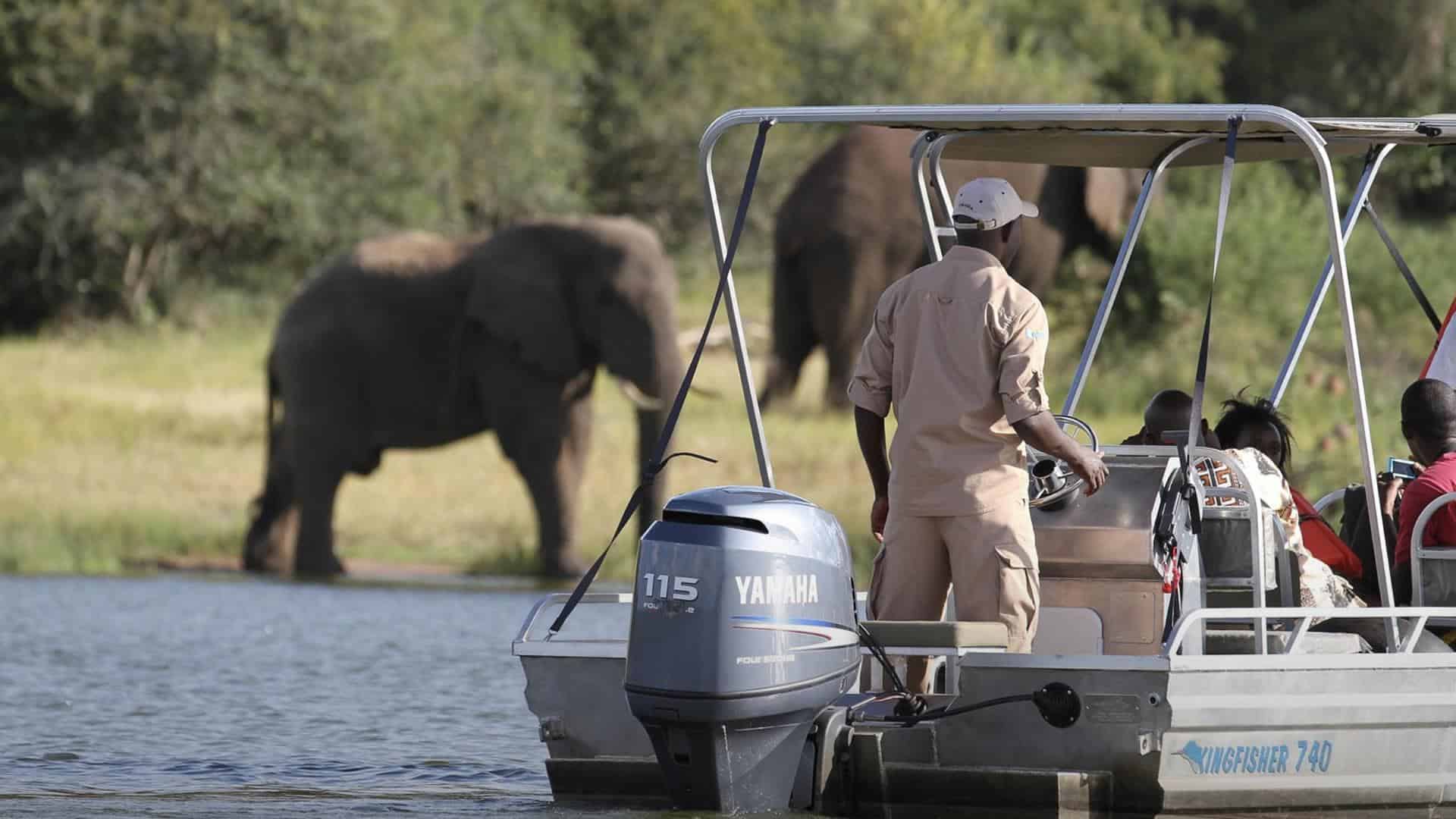
A boat safari on Lake Ihema is one of the best activities in Akagera because it shows the park from the water. Most visitors come here for hippos, crocodiles and waterbirds, but the boat also gives wide views of the papyrus edges, lake channels and shoreline. Elephants, buffaloes or antelopes may sometimes be seen near the water, especially in drier periods but sightings depend on the season and animal movement. Scheduled boat trips on Lake Ihema run at 7:30 am, 9 am, 3 pm and 4:30 pm. Private boat trips can also be arranged at other times. The morning boat trips are better for cooler weather and birdwatching while the late afternoon trip is stronger for photography and sunset views. For day visitors the boat time needs to be planned carefully so it does not cut too much time from the game drive route.
Birdwatching in Akagera
Akagera is one of Rwanda’s strongest birdwatching areas because it combines savannah, woodland, lakes, wetlands and papyrus swamps. Birding can be done during game drives, nature walks and boat safaris on Lake Ihema. General safari travellers will still enjoy the birds because many species are large, colourful and easy to notice around the lakes and open plains. Birds to look for include African fish eagles, kingfishers, herons, egrets, marabou storks, grey crowned cranes, hamerkops, sacred ibis, hadada ibis, cattle egrets, long-crested eagles and different weavers. Papyrus specialists such as papyrus gonolek and shoebill may also interest serious birders though shoebill sightings are never guaranteed. The Lake Ihema boat safari is one of the best ways to see waterbirds at close range.
Fishing on Lake Shakani
Fishing in Akagera is done on Lake Shakani not Lake Ihema. This is a slower activity for travellers who have more time in the park and want something different from game drives and boat safaris. Common fish include tilapia and catfish and you may be able to cook your catch at the campsite after fishing. Fishing works well for families, campers and travellers staying overnight. It is also useful for visitors who want a relaxed afternoon by the water with birds, hippos and natural sounds around the lake. If there is a fishing tournament during your visit, the activity may need to be confirmed directly with the park reservations team.
Guided Nature Walks and Hiking
Nature walks in Akagera give you a closer look at the smaller details that are easy to miss from a safari vehicle. Depending on the area and permission, walks may focus on plants, trees, insects, butterflies, birds and the general landscape around the park. These walks must be guided. Akagera is a wildlife area, so visitors should not walk freely unless the activity has been arranged through the park or an approved guide. A guided walk is best for visitors who enjoy slow travel, photography, birding and learning about the park beyond large animals.
Best Time to Visit Akagera National Park
Akagera National Park can be visited throughout the year, but the best months for wildlife viewing are usually the dry seasons, from June to September and December to February. During these months the grass is shorter, some water sources are reduced, and animals are easier to spot around the remaining lakes, wetlands and drinking points.
June to September is the strongest period for game drives. The park is drier, the tracks are easier to use, and visibility across the savannah is better. This is a good time for travellers who want to focus on elephants, buffaloes, giraffes, zebras, antelopes, lions, rhinos and other large wildlife. It is also a practical season for visitors doing a short safari from Kigali because the conditions are more reliable.
December to February is also a good time to visit Akagera, especially for you who want warm conditions, clearer views and good game drive timing before or after gorilla trekking in Rwanda. Morning game drives are still the best choice because wildlife is more active before the heat builds up. Late afternoon drives can also be rewarding, especially around water sources and open plains.
The rainy seasons, mainly March to May and October to November, are not bad for Akagera. The park becomes greener, the scenery is fresh, and birdwatching can be very rewarding. These months can also come with fewer visitors and sometimes better value at lodges, depending on the season. The main challenge is that some tracks can become muddy, and wildlife can spread out because water is more available across the park.
For the best experience, plan your activities around the time of day, not only the month. Start game drives early, carry enough drinking water, and keep a packed lunch if you are doing a longer route through the park. Book the Lake Ihema boat safari in advance, especially if you want the late-afternoon trip, which is often the best for softer light, photography, hippos, crocodiles, and waterbirds.
Where to Stay in Akagera National Park
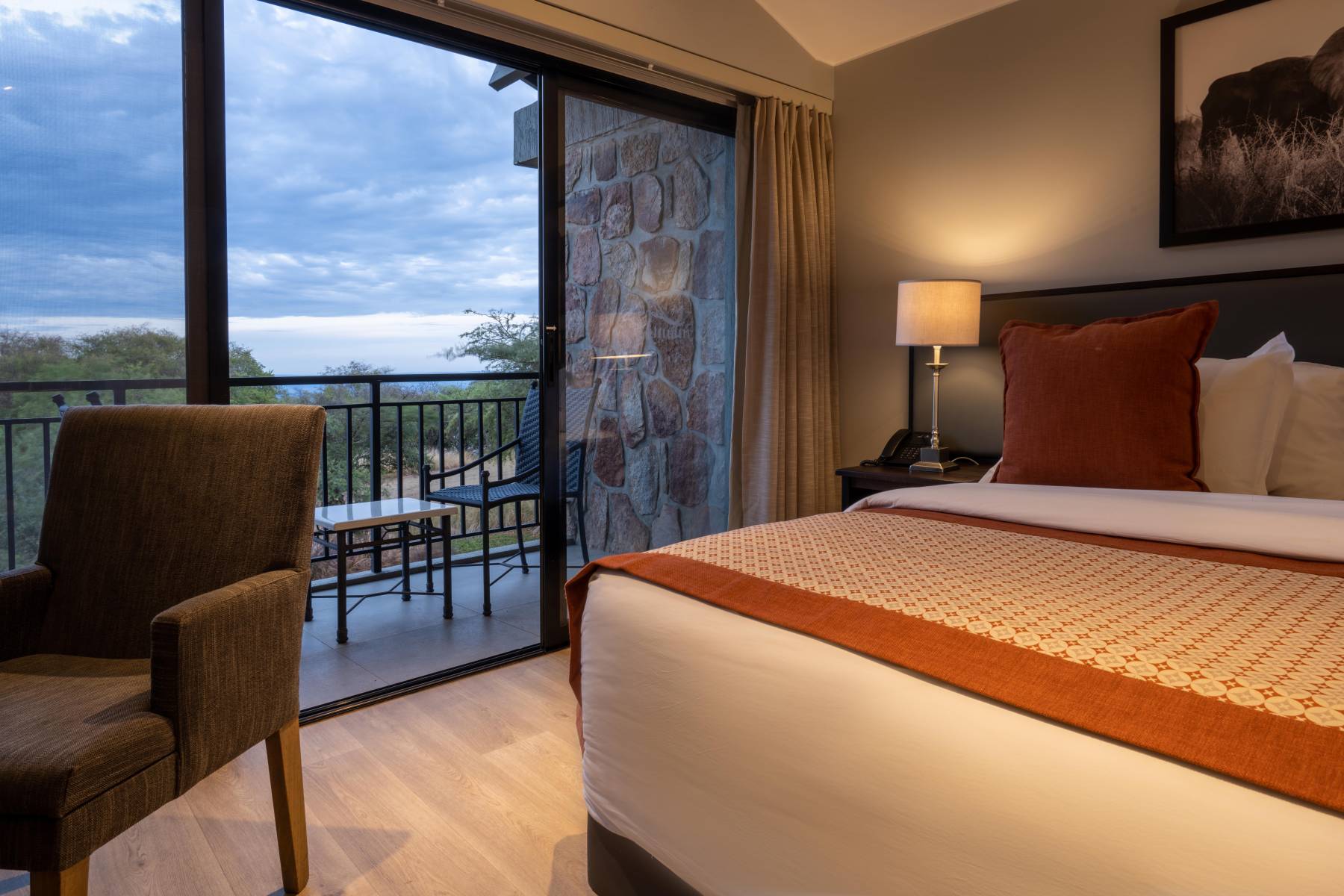
Accommodation in Akagera National Park ranges from simple campsites to mid-range lodges and high-end safari camps. The best place to stay depends on your budget, the number of nights, the activities you want to do and the side of the park you want to explore. For most travellers, location matters as much as comfort. The southern side of Akagera is better for easy access from Kigali, Lake Ihema boat safaris and shorter visits. The northern side is better for visitors who want more time in the open plains, stronger game-drive coverage, and a deeper wildlife experience.
Budget Accommodation and Campsites
Camping is the best budget option for travellers who want to sleep inside Akagera without paying lodge rates. It works well for self-drive visitors, overland groups, families and travellers who want a simple bush experience close to the park activities. Muyumbu Campsite and Shakani Campsite are found in the southern part of the park. Muyumbu sits on a ridge with views towards Lake Ihema and Lake Shakani, while Shakani is closer to Lake Shakani and works well for travellers interested in fishing or a quieter lakeside camping experience. Mutumba Campsite and Mihindi Campsite sit further north, which makes them useful for visitors who want better access to the northern plains. Camping is simple, so you need to come prepared. Carry warm clothing, drinking water, snacks, bedding if required, a torch, insect repellent and any personal camping equipment not provided.
Mid-range Accommodation
Akagera Game Lodge is the main mid-range lodge option inside the park. It stands on a hill in the southern part of Akagera with views over the savannah and Lake Ihema. This location is practical for you coming from Kigali, visitors planning a Lake Ihema boat safari and guests who want lodge comfort without going fully luxury. The lodge has over 60 rooms, a restaurant, bar, conference space and a pool deck overlooking the park landscape. It suits couples, families, business groups, conferences and travellers who prefer a larger lodge with more facilities. For a short Akagera safari, this is one of the easiest places to use because it keeps you close to the southern gate, Lake Ihema and the main activity area.
Luxury Accommodation
Ruzizi Tented Lodge is one of the best luxury stays for those who want a smaller and quieter lodge near Lake Ihema. It sits on the edge of the lake, not far from the park headquarters, with tented rooms set among palms and fig trees. The lodge has nine tents and a central dining and lounge area connected by wooden walkways. Ruzizi works well for couples, honeymooners, birdwatchers and visitors who want easy access to Lake Ihema boat safaris. The atmosphere is more intimate than a large hotel, and the lake setting gives the stay a stronger safari feeling, especially in the morning and evening when the water, birds and hippos are active.
Magashi Camp is a high-end safari camp in the north-eastern part of Akagera, overlooking Lake Rwanyakazinga. It is better for travellers who want privacy, a stronger wilderness atmosphere and more time in the northern wildlife areas. The camp has a small number of tented suites, which makes it feel quieter and more exclusive. Magashi is best for luxury travellers, honeymooners, photographers and visitors who want Akagera at a slower and more private pace. It is also a strong choice for guests who care more about wildlife depth than quick access from Kigali.