
Uganda Safaris with Gorilla Trekking and Wildlife
Uganda safaris bring together a rare mix of history, wildlife and varied landscapes in one East African journey. The country grew from old kingdoms and chiefdoms around the Great Lakes region before becoming a British Protectorate in 1894 and gaining independence in 1962. Today that layered history sits beside some of Africa’s strongest safari experiences. Travellers come to Uganda for mountain gorilla trekking in Bwindi Impenetrable National Park and Mgahinga Gorilla National Park, chimpanzee tracking in Kibale, big game drives in Queen Elizabeth and Murchison Falls, remote wilderness in Kidepo Valley and Nile-based adventures around Jinja and Murchison Falls. A well-planned Uganda safari can combine primates, savannah wildlife, boat cruises, culture, forests, mountains and lakes without forcing the route. This page helps you understand where to go, what experiences fit each region and how to choose the right Uganda safari package.
Best Uganda Safari Destinations
Uganda has 10 national parks, but a strong safari does not mean visiting all of them. The best route depends on what the traveller wants to see, how many days they have and how much driving they can manage. For most visitors, the strongest Uganda safari routes combine gorilla trekking in the southwest, chimpanzee tracking in Kibale, wildlife viewing in Queen Elizabeth or Murchison Falls and a boat safari on the Nile or Kazinga Channel. The parks below are the main destinations used when building practical Uganda safari itineraries.
Bwindi Impenetrable National Park
Bwindi is the main destination for gorilla trekking in Uganda. The park is a thick mountain rainforest in the southwest, with different trekking sectors including Buhoma, Ruhija, Rushaga and Nkuringo. Each sector has its own lodges, access routes and trekking conditions, so the sector matters when planning the safari. Buhoma is often easier for travellers who want a more established lodge area. Ruhija works well for birding and cooler forest scenery. Rushaga has more gorilla families and is commonly used for both standard trekking and the gorilla habituation experience. Nkuringo is steeper and better for travellers who are comfortable with a more demanding trek. Bwindi is best for gorilla trekking, forest walks, birding and longer Uganda safari routes that connect Kibale, Queen Elizabeth and Lake Bunyonyi.
Mgahinga Gorilla National Park
Mgahinga is Uganda’s other gorilla trekking park and the only place in Uganda where travellers can track golden monkeys. It sits in the Virunga volcanic landscape near the Rwanda and Congo borders, which gives it a very different feel from Bwindi. The park works well for travellers who want gorillas, golden monkeys and mountain views in one area. It is also a good choice for routes passing through Kisoro, Lake Bunyonyi or the southwestern border region. Mgahinga is smaller than Bwindi, but it gives a quieter experience when the route and permit availability fit the traveller’s dates. Mgahinga is best for gorilla trekking, golden monkey tracking, volcano views and shorter southwestern Uganda safari extensions.
Kibale National Park
Kibale is the leading chimpanzee tracking destination in Uganda. The forest has a strong primate focus, with chimpanzees as the main attraction and many other monkey species found in the same ecosystem. For travellers who want a primate safari, Kibale is the natural partner to Bwindi or Mgahinga. The standard chimpanzee tracking experience starts with a briefing, then visitors enter the forest with ranger guides. The walk can be easier than gorilla trekking, but the chimps move fast, and the forest can still be muddy. Kibale also works well with Bigodi Wetland for birding, community walks and swamp scenery. Kibale is best for chimpanzee tracking, forest primates, birding and Uganda itineraries that combine primates with Queen Elizabeth National Park.
Queen Elizabeth National Park
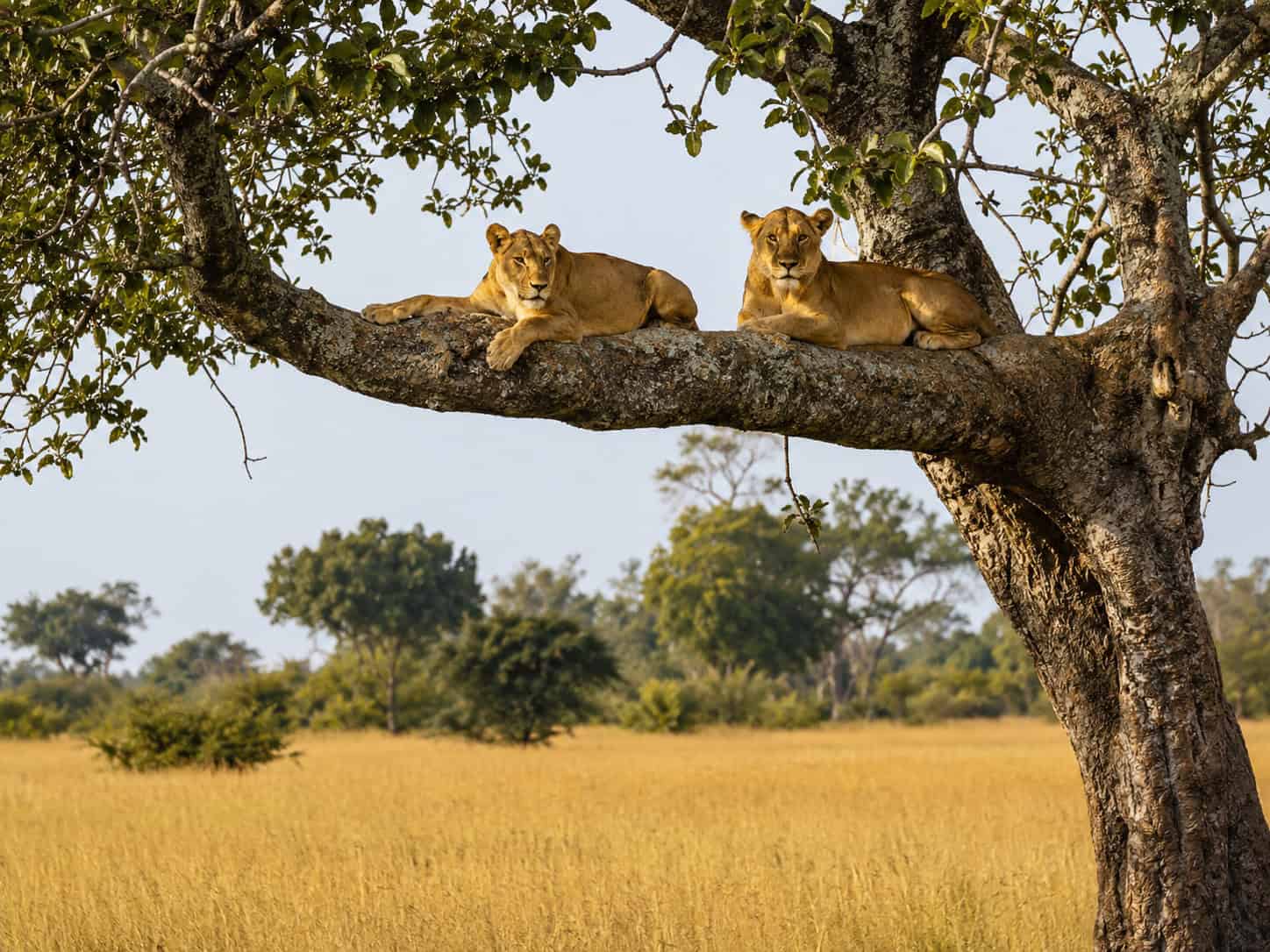
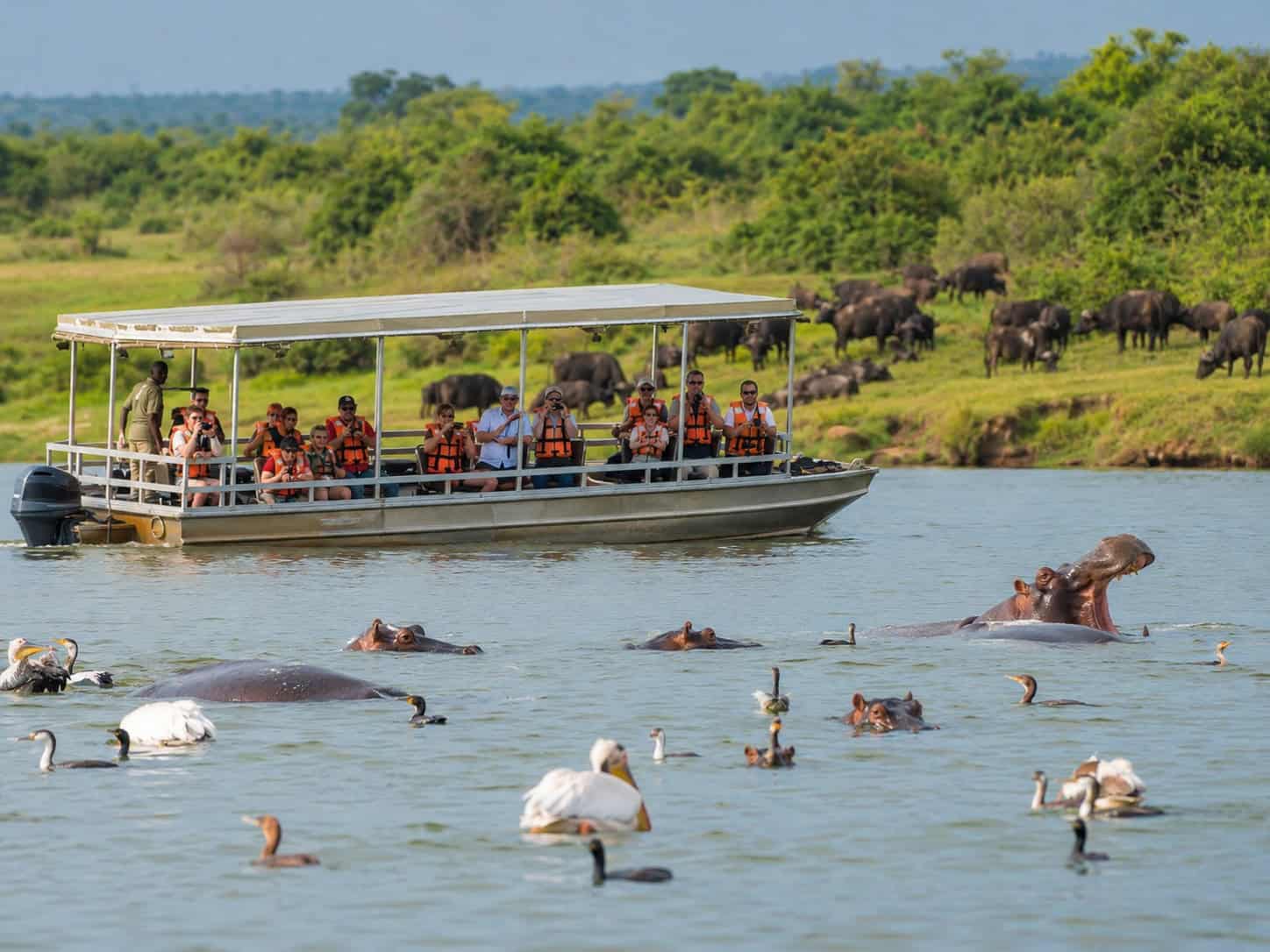
Queen Elizabeth National Park is one of the most useful parks in a Uganda safari route because it sits between Kibale and Bwindi. It breaks the long journey, adds savannah wildlife and gives travellers a strong boat safari experience on the Kazinga Channel. The park is known for elephants, buffaloes, hippos, crocodiles, antelopes, lions and many bird species. The Kazinga Channel boat cruise is one of the most reliable wildlife experiences in the park because animals gather along the water, especially hippos, buffaloes, elephants and waterbirds. The Ishasha sector in the south is known for tree-climbing lions, although sightings depend on timing, weather and movement. Queen Elizabeth is best for game drives, the Kazinga Channel boat cruise, tree-climbing lions in Ishasha and routes linking Kibale to Bwindi.
Murchison Falls National Park
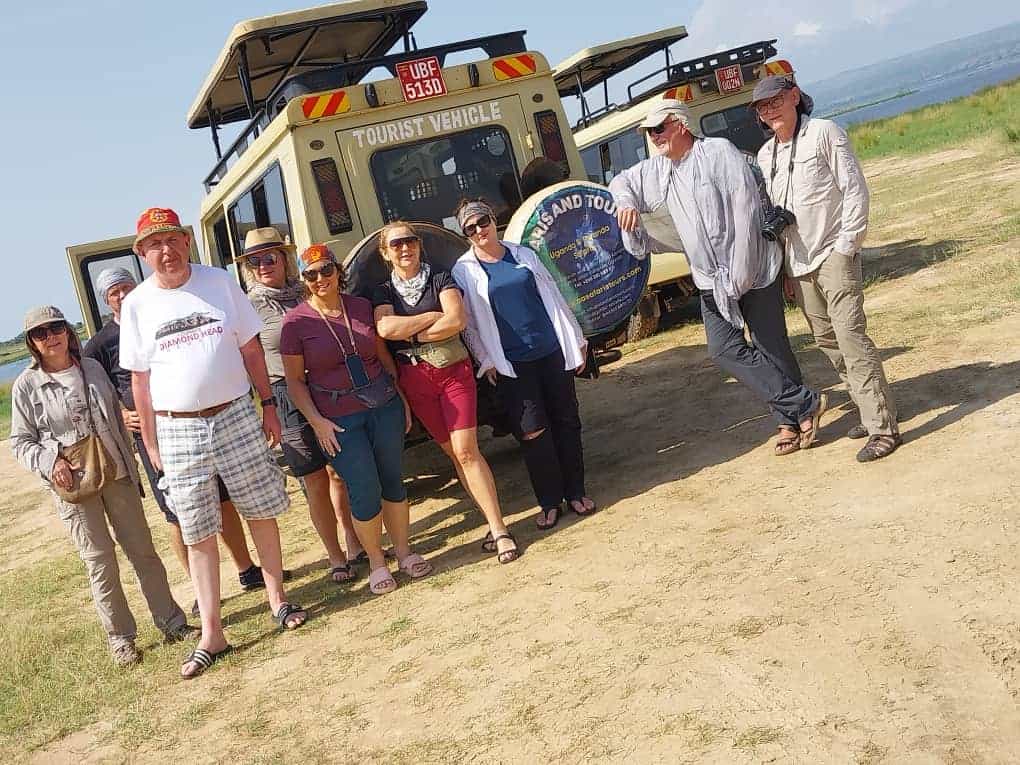
Murchison Falls is Uganda’s largest national park and one of the strongest choices for a classic wildlife safari. The Nile runs through the park before forcing its way through a narrow rocky gap at Murchison Falls, creating one of the most powerful waterfall experiences in East Africa. A good Murchison safari usually combines game drives on the northern bank with a Nile boat cruise to the base of the falls. Travellers can see giraffes, elephants, buffaloes, lions, hippos, crocodiles, antelopes and many birds. The park is also useful for visitors who want a safari that starts from Entebbe or Kampala without driving all the way to the southwest first. Murchison Falls is best for big game viewing, Nile boat cruises, waterfall visits and short Uganda wildlife safaris.
Kidepo Valley National Park
Kidepo is the best choice for travellers who want a remote Uganda wilderness safari. It is far in the northeast, so it needs more time or a flight, but the reward is open savannah, mountain views and fewer vehicles compared with the busier parks. The park is known for buffaloes, elephants, lions, giraffes, zebras, antelopes and dry-country wildlife that is not easily seen in every other Ugandan park. Kidepo works best for experienced safari travellers, photographers and visitors who want a wilder route away from the standard western circuit. Kidepo is best for remote wildlife viewing, open landscapes, photography and longer Uganda safaris.
Lake Mburo National Park
Lake Mburo is a practical stop for travellers moving between Kampala, Entebbe and the gorilla parks in southwestern Uganda. It is smaller than Uganda’s major savannah parks, but it offers a relaxed safari experience with zebras, impalas, elands, buffaloes, hippos, crocodiles and many birds. The park is also one of the best places in Uganda for walking safaris and short game drives. Because it has no resident elephants and limited large predator activity compared with parks like Murchison or Queen Elizabeth, it feels more relaxed and easier to fit into shorter itineraries. Lake Mburo is best for short wildlife safaris, walking safaris, zebras, boat rides and breaking the journey to or from Bwindi.
Rwenzori Mountains National Park
Rwenzori is not a standard game drive destination. It is for travellers who want mountain trekking, high-altitude scenery and a more demanding outdoor experience. The park is known for glaciers, valleys, waterfalls, giant vegetation and multi-day hiking routes. Rwenzori Mountain National Park works best as a specialist trekking extension, not as a quick add-on to every safari. It is suitable for fit travellers with enough time and the right gear. Rwenzori is best for mountain trekking, alpine scenery and serious hiking extensions.
Mount Elgon National Park
Mount Elgon National Park is a good choice for travellers interested in hiking, waterfalls, caves and eastern Uganda scenery. It is less crowded than the major western safari parks and works well with Sipi Falls. The park is better for walking and scenery than big game viewing. It suits travellers who want a softer mountain experience without the intensity of the Rwenzori routes. Mount Elgon is best for hiking, waterfalls, caves, Sipi Falls and eastern Uganda extensions.
Semuliki National Park
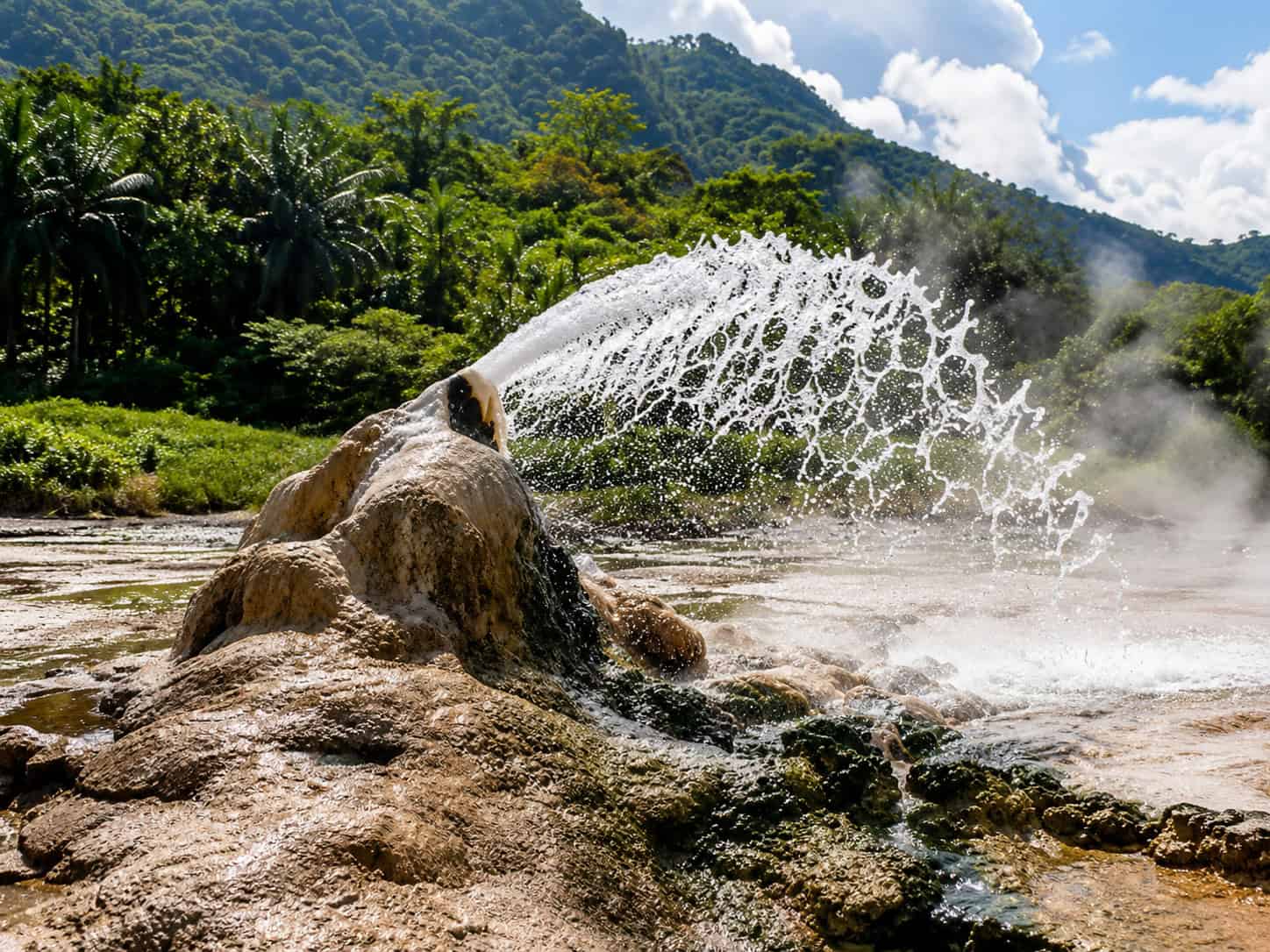
Semuliki National Park is one of Uganda’s best parks for birding and lowland forest experiences. It is different from Bwindi and Kibale because it has a warmer lowland forest feel and strong Central African influence. The Sempaya hot springs are the best-known attraction, but serious birders come for the species mix. Semuliki is not usually the first park for a first-time Uganda safari, but it is valuable for birding routes and travellers who want something beyond the standard gorilla, chimpanzee and savannah circuit. Semuliki is best for birding, hot springs, lowland forest and specialist nature trips.
How to Choose the Right Uganda Safari Destinations
For a first Uganda safari, the strongest route is usually Kibale, Queen Elizabeth and Bwindi because it gives chimpanzees, savannah wildlife, a boat cruise and gorilla trekking in one logical western circuit. For a shorter wildlife safari, Murchison Falls is a strong choice because it combines game drives, a Nile boat cruise, and the waterfall without requiring many days. For a gorilla-focused trip, Bwindi or Mgahinga can be combined with Lake Bunyonyi, Lake Mburo, or Queen Elizabeth, depending on the traveller’s budget, fitness, and route. For birding, the strongest areas include Mabamba Swamp, Bwindi, Kibale, Queen Elizabeth, Murchison Falls and Semuliki. For travellers who have already visited East Africa before, Kidepo gives a more remote Uganda safari with fewer vehicles and a stronger wilderness feel.
Things to Do on a Uganda Safari
A Uganda safari is not only about sitting in a vehicle and looking for animals. The best trips mix forest trekking, savannah game drives, boat cruises, birding, culture and short walks where the route allows. The right activities depend on the number of days, the parks included and the traveller’s fitness level.
Gorilla Trekking in Bwindi and Mgahinga
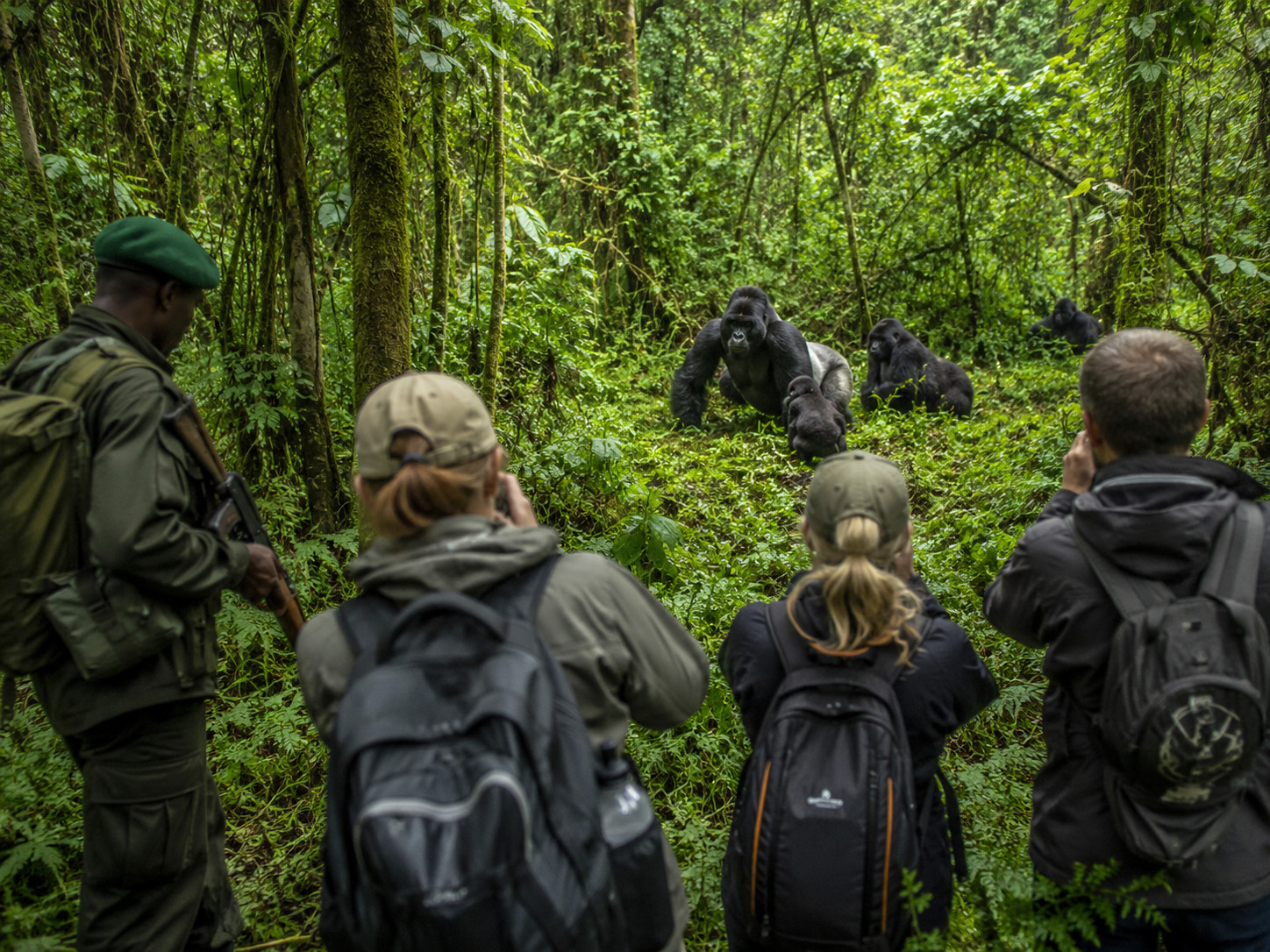
Gorilla trekking is the major reason many travellers choose Uganda. The experience takes place in Bwindi Impenetrable National Park and Mgahinga Gorilla National Park. Bwindi has different trekking sectors, including Buhoma, Ruhija, Rushaga and Nkuringo, so the sector selected affects the driving route, lodge choice and trekking difficulty. A gorilla trekking day starts early with registration and a ranger briefing. Visitors then enter the forest with ranger guides and trackers. The trek can be short or demanding depending on where the gorillas moved overnight, the terrain and the assigned family. Once the gorillas are found, visitors spend one hour with them. Gorilla trekking is best for visitors who want the main primate experience in Uganda. It works well in itineraries that include Kibale, Queen Elizabeth, Lake Bunyonyi or Lake Mburo.
Chimpanzee Tracking in Kibale Forest
Chimpanzee tracking is the best activity to add before or after gorilla trekking. Kibale National Park is the leading place for chimpanzee tracking in Uganda, with a strong forest setting and many other primates in the same area. The experience is different from gorilla trekking. Chimpanzees move faster, call loudly and often shift through the forest as they feed. Visitors need to listen carefully to the ranger guides and be ready to move when the chimps move. The walk is usually easier than a tough gorilla trek, but the forest can still be muddy and slippery. Kibale works very well with Bigodi Wetland, Queen Elizabeth National Park and Bwindi because the route flows naturally through western Uganda.
Wildlife Game Drives
Game drives are the main way to see Uganda’s savannah wildlife. The strongest parks for this are Murchison Falls National Park, Queen Elizabeth National Park, Kidepo Valley National Park, Lake Mburo National Park and the Ishasha sector of Queen Elizabeth. Morning game drives are usually better because wildlife is more active before the day becomes hot. Late afternoon drives can also be rewarding, especially for lions, elephants, buffaloes, giraffes, antelopes and other animals moving toward open feeding areas. Murchison Falls is strong for giraffes, elephants, buffaloes, lions and open savannah. Queen Elizabeth is good for elephants, buffaloes, hippos, antelopes and the Kazinga Channel. Ishasha is known for tree-climbing lions, although sightings are never guaranteed. Kidepo gives a more remote wildlife experience with wide open landscapes and fewer vehicles.
Boat Safaris on the Nile and Kazinga Channel
Boat safaris are among the most reliable wildlife experiences in Uganda because animals gather near water. The two strongest choices are the Nile boat cruise in Murchison Falls National Park and the Kazinga Channel boat cruise in Queen Elizabeth National Park. In Murchison Falls, the boat cruise follows the Nile toward the base of the falls. Visitors often see hippos, crocodiles, elephants, buffaloes, waterbirds and the waterfall from below. In Queen Elizabeth, the Kazinga Channel cruise is excellent for hippos, crocodiles, buffaloes, elephants and many birds along the water edge. Lake Mburo also offers boat rides, especially for hippos, crocodiles and waterbirds. A boat safari is a good break from long game drives because travellers sit, relax and watch wildlife from a different angle.
Bird Watching
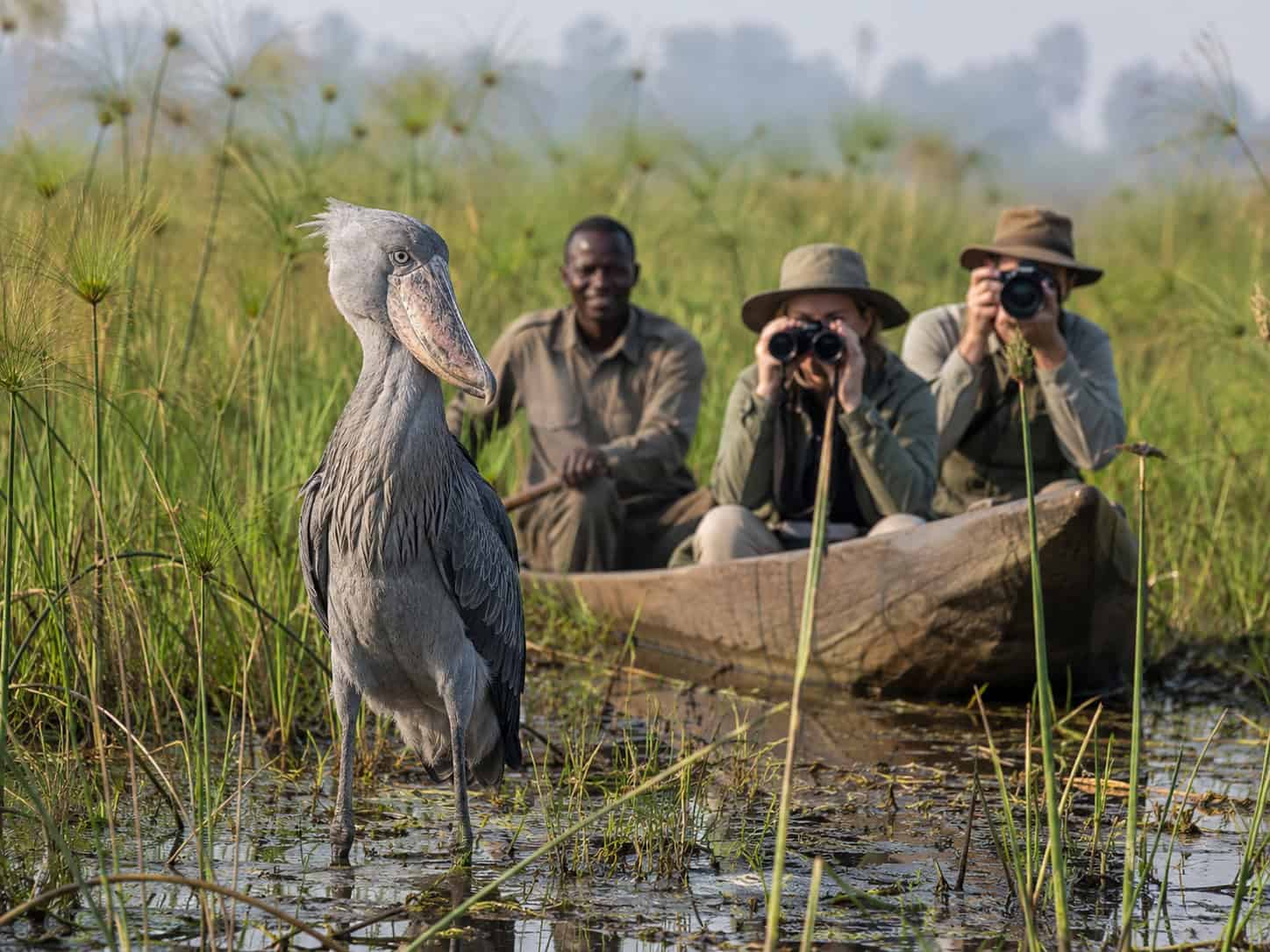
Uganda is one of Africa’s best birding destinations, with forests, wetlands, savannahs, lakes and mountain habitats close together. Birding can be added to a normal safari or planned as the main focus for serious birders. Mabamba Swamp is known for shoebill viewing by canoe. Bwindi is strong for forest birds and Albertine Rift species. Queen Elizabeth has many birds around the Kazinga Channel, crater lakes and savannah areas. Murchison Falls gives a mix of riverine and savannah birding. Kibale and Bigodi are good for forest and wetland species. For normal safari travellers, birding does not have to be a full-day activity. A good guide can point out fish eagles, kingfishers, bee-eaters, hornbills, turacos, weavers and other birds during drives, boat cruises and forest walks.
Community and Cultural Experiences
Culture fits well into a Uganda safari when it is placed in the right part of the route. Around Bwindi and Mgahinga, visitors can add community walks, Batwa experiences, local craft visits or village walks. Around Kibale, Bigodi gives a good mix of wetland, birds, community life and local guiding. In Karamoja, near Kidepo, cultural visits give you a deeper understanding of pastoral life in northeastern Uganda, and they also offer a chance to meet some of the few remaining traditional communities in the region, the Ik community. Around Kampala and Entebbe, you can visit markets, historical sites, food spots and craft centres before or after the safari. Cultural activities work best when they are not rushed. They are better placed on arrival days, transfer breaks or afternoons after a shorter activity.
Walking Safaris and Nature Walks
Walking safaris give you a slower and more personal way to experience Uganda’s landscapes. Lake Mburo is one of the best places for guided walking safaris because the park has zebras, impalas, elands, buffaloes and many birds in a setting that works well on foot. Around Kibale National Park, Bigodi Wetland walks add more variety through wetland experiences, community walks, birds, plants, butterflies and village life. This same area is also connected to the Bunyoro Kitara Kingdom, giving visitors a chance to learn more about local culture, traditions and communities. These walks are good for small details that are easy to miss from a vehicle. Walking activities need proper shoes, water and a guide who understands the area. They are not a replacement for game drives, but they add depth to the safari.
Hiking and Waterfall Visits
Uganda has good hiking options for travellers who want more movement in the itinerary. Sipi Falls is a strong choice for waterfall walks and eastern Uganda scenery. Mount Elgon works well for travellers who want hiking without the intensity of the Rwenzori Mountains. The Rwenzori Mountains are better for serious trekkers with more time and better fitness. Shorter walks can also be done around Bwindi, Mgahinga, Lake Bunyonyi and crater lake areas near Fort Portal. Hiking activities need to be planned carefully because they can make the itinerary tiring when mixed with long drives and early trekking mornings.
Nile Activities in Jinja
Jinja is a good add-on for travellers who want a soft adventure activity before or after the main safari route. The area around the Nile offers boat rides, kayaking, rafting, quad biking, horse riding and relaxed riverside stays. It fits best at the beginning or end of a Uganda safari, especially for travellers with extra time in Entebbe or Kampala. For a tight gorilla and wildlife itinerary, Jinja may be left out to reduce driving..
Best Time for a Uganda Safari
Uganda safaris can be done throughout the year, but the easiest months for most travellers are the dry seasons from June to September and December to February. These months usually give better road conditions, drier forest trails and more comfortable days for gorilla trekking, chimpanzee tracking, game drives and boat safaris. For a first-time visitor, June, July, August, September, January and February are the safest months to choose. The trails in Bwindi, Mgahinga and Kibale are usually less muddy, and the savannah parks are easier to explore by road. Wildlife viewing in Murchison Falls, Queen Elizabeth, Kidepo and Lake Mburo can also be better because animals often spend more time around water sources.
Dry Season Safaris
The dry season is the most popular time for Uganda safaris. It is especially good for travellers who are doing gorilla trekking in Bwindi or Mgahinga because the forest paths are usually firmer and easier to walk. It is also a good time for chimpanzee tracking in Kibale because the trails are more manageable. Game drives are also more comfortable in the dry months. In parks like Murchison Falls and Queen Elizabeth, the grass may be shorter in some areas, and animals can be easier to see. Boat cruises on the Nile and Kazinga Channel are also rewarding during this period because wildlife often comes close to the water. Because these are busy travel months, gorilla permits, better lodges and private guides need to be booked early, atleast 6 months in advance.
Rainy Season Safaris
The rainy months are usually March to May and October to November. These months can still work for a Uganda safari, but travellers need to be ready for muddy roads, slippery forest trails and possible changes in driving time. Rain in Uganda does not always fall the whole day. Many days can have morning rain followed by clearer afternoon weather. The rainy season can be good for travellers who want greener scenery, fewer vehicles in some parks and a quieter feel around lodges. Gorilla trekking can still be done during this period. In some cases, the gorillas may feed closer because there is more food in the forest, but the walk can still be wet and tiring. Good hiking boots, a rain jacket, gaiters and a porter are very useful.
Best Time for Birding
Birding in Uganda is good throughout the year. The wetter months can be very rewarding because forests, wetlands and savannah areas become greener, and many birds are active. Migratory birds are also present in some months, which adds more variety for serious birders. For birding routes, Mabamba Swamp, Bwindi, Kibale, Queen Elizabeth, Murchison Falls, Semuliki and Bigodi are strong areas to include. A normal safari traveller can still enjoy birding during game drives, boat cruises and forest walks without making the whole trip a birding tour.
How Much Is a Uganda Safari?
A Uganda safari can cost from about USD 250 per person per day for a simple budget trip to more than USD 1,000 per person per day for a luxury safari. The final cost depends on the number of days, the parks included, the lodge level, the vehicle used, the season and the activities in the itinerary. The highest fixed cost on many Uganda safaris is the gorilla permit. A gorilla trekking permit costs USD 800 per person for foreign non-residents. If the trip includes gorilla trekking in Bwindi or Mgahinga, this permit alone takes a large part of the safari budget.
For a normal Uganda safari, A short 3-day gorilla trekking safari usually starts from USD 1,900 per person, depending on whether the trip starts from Kigali, Entebbe or Kampala, and the lodge level used.
A 5 to 7-day Uganda gorilla and wildlife safari costs about USD 4,500 per person at mid-range level. This can include transport, driver guide, lodge accommodation, meals, park entry, one gorilla permit and wildlife activities depending on the route.
A 7 to 10-day Uganda safari with gorillas, chimpanzees, Queen Elizabeth, Kibale, and Bwindi usually goes for about USD 6,500 per person at mid-range level. The cost rises when the trip uses luxury lodges, scheduled flights or more private activities.
Main Uganda Safari Permit Costs
Gorilla trekking permit
Foreign non-resident: USD 800
Foreign resident: USD 700
Rest of Africa citizens: USD 500
East African citizen: UGX 300,000
Gorilla habituation experience in Bwindi
Foreign non-resident: USD 1,800
Foreign resident: USD 1,600
Rest of Africa citizens: USD 1,000
East African citizen: UGX 750,000
Chimpanzee tracking in Kibale
Foreign non-resident: USD 300
Foreign resident: USD 200
Rest of Africa citizens USD 100
East African citizen: UGX 180,000
Chimpanzee habituation in Kibale
Foreign non-resident: USD 400
Foreign resident: USD 300
East African citizen: UGX 250,000
Chimpanzee tracking in Kyambura Gorge
Foreign non-resident: USD 200
Foreign resident: USD 150
East African citizen: UGX 50,000
Golden monkey tracking in Mgahinga
Foreign non-resident: USD 60
Foreign resident: USD 50
East African citizen: UGX 40,000
What Usually Makes a Uganda Safari Expensive?
Gorilla permits make the biggest difference on primate safaris. Chimpanzee tracking, park entrance fees, private transport, fuel, long driving distances and lodge category also affect the final cost. Uganda routes can be long. A safari that includes Murchison Falls, Kibale, Queen Elizabeth and Bwindi needs more fuel, more guide days and more accommodation nights. A shorter trip focused on one area costs less, but it gives fewer experiences. Luxury lodges also change the price quickly. A mid-range lodge may keep the trip comfortable without pushing the budget too high. A luxury lodge can raise the daily cost sharply, especially in Bwindi, Kibale and Queen Elizabeth.
What Is Usually Included in the Safari Price?
Most Uganda safari prices include a private 4×4 safari vehicle, professional driver guide, fuel, accommodation, meals on safari, park entry fees and planned activities listed in the itinerary. Gorilla and chimpanzee permits may be included or priced separately depending on the operator. Always check this before comparing safari quotes because a cheaper quote may look attractive only because the USD 800 gorilla permit has not been included. International flights, visas, travel insurance, drinks, tips, laundry, personal shopping and optional activities are usually not included.
Uganda Visa Costs
A Uganda single entry tourist visa costs USD 50. This works well for travellers visiting Uganda only. The East African Tourist Visa costs USD 100 and is useful for travellers combining Uganda with Kenya and Rwanda. It is valid for 90 days and allows travel between the three countries without buying a separate tourist visa for each one. Tanzania is not part of this visa arrangement.
Practical Cost Advice
For most international travellers, a mid-range Uganda safari gives the best balance. It keeps the lodges comfortable, uses a private safari vehicle and still allows money for the main experiences like gorilla trekking, chimpanzee tracking, game drives and boat safaris. For a first Uganda safari, budget more carefully around the permits first. Once the gorilla permit, chimpanzee permit and park activities are clear, the remaining cost comes down to lodge level, route length and transport style. The cheapest safari is not always the best value. A rushed route with long driving days can make the trip tiring. A well-priced safari gives enough time in the right parks, uses practical lodges and keeps the route comfortable.
Uganda Safari Questions
1. What is the best time for a Uganda safari?
The best time for a Uganda safari is during the drier months from June to September and December to February. These months usually give better road conditions, easier forest trekking and stronger wildlife viewing in parks like Murchison Falls, Queen Elizabeth and Lake Mburo.
2. How much does a Uganda safari cost?
A Uganda safari can cost from about USD 250 to USD 350 per person per day at budget level, USD 450 to USD 700 at mid-range and over USD 1,000 at luxury level. Gorilla permits, lodge choice and route length affect the final price
3. Where can I see gorillas in Uganda?
Gorilla trekking in Uganda takes place in Bwindi Impenetrable National Park and Mgahinga Gorilla National Park. Bwindi has more trekking sectors and gorilla families, while Mgahinga offers a quieter Virunga setting with the option to add golden monkey tracking.
4. Is Uganda good for first-time safari travellers?
Yes, Uganda works well for first-time safari travellers because it combines gorilla trekking, chimpanzee tracking, wildlife game drives, boat safaris and cultural experiences. A good first route usually includes Kibale, Queen Elizabeth and Bwindi for a balanced western Uganda safari.
5. How many days are enough for a Uganda safari?
A short Uganda safari can take 3 to 5 days if focused on gorilla trekking or one wildlife park. For a stronger experience, 7 to 10 days allows time for chimpanzees in Kibale, wildlife in Queen Elizabeth and gorillas in Bwindi
6. Can I see the Big Five in Uganda?
Yes, Uganda can offer Big Five viewing, but rhinos are mainly seen at Ziwa Rhino Sanctuary. Lions, elephants, buffaloes and leopards can be seen in savannah parks such as Murchison Falls, Queen Elizabeth and Kidepo, depending on route and luck.
7. Is Uganda safe for safari travellers?
Uganda is generally safe for organised safari travellers when routes are handled by professional driver guides and trusted operators. Visitors should follow ranger instructions, avoid unnecessary night travel in unfamiliar areas, keep valuables secure and use normal travel caution in cities and busy places.
8. What should I pack for a Uganda safari?
Pack light clothing, hiking boots, a rain jacket, insect repellent, sunscreen, binoculars, camera gear and neutral safari wear. For gorilla and chimpanzee trekking, carry long trousers, long sleeves, garden gloves, a waterproof daypack and enough drinking water.