
Lake Mburo National Park is Uganda’s smallest savannah national park, but it gives you one of the easiest and most relaxed wildlife safaris in the country. The park sits in western Uganda between Masaka and Mbarara, about 240 kilometres from Kampala and around 30 kilometres from Mbarara. This makes it a good stop if you are travelling from Kampala or Entebbe to Bwindi Impenetrable National Park or Mgahinga Gorilla National Park. If your Uganda safari is taking you into the gorilla highlands, Lake Mburo gives you a calm wildlife break without sending you far off route.
The park covers about 370 square kilometres, with rolling hills, open grassy valleys, acacia woodland, lakes, and wetland edges. It is the only national park in Uganda with an entire lake inside it. Together with four smaller lakes, Lake Mburo shapes much of the park’s safari experience. About 20% of the park is covered by lakes and marshland, so water is part of almost everything here. You see it during boat cruises, in the papyrus, around the hippos and crocodiles, and in the rich birdlife that gathers along the lake shores and swamp edges.
Lake Mburo feels different from Uganda’s bigger savannah parks. You do not come here looking for large elephant herds or a classic Big Five safari. You come here for something quieter, softer, and easier to enjoy at a slower pace. The park is a strong place to see eland, Burchell’s zebra, impala, topi, buffalo, waterbuck, klipspringer, leopard, hippos, crocodiles, and many bird species. It is also the best place in Uganda to see the giant eland antelope. Around the acacia woodland and fringing swamps, you also get species that are harder to find in many other Ugandan parks, including sitatunga and the red, black, and yellow papyrus gonolek.
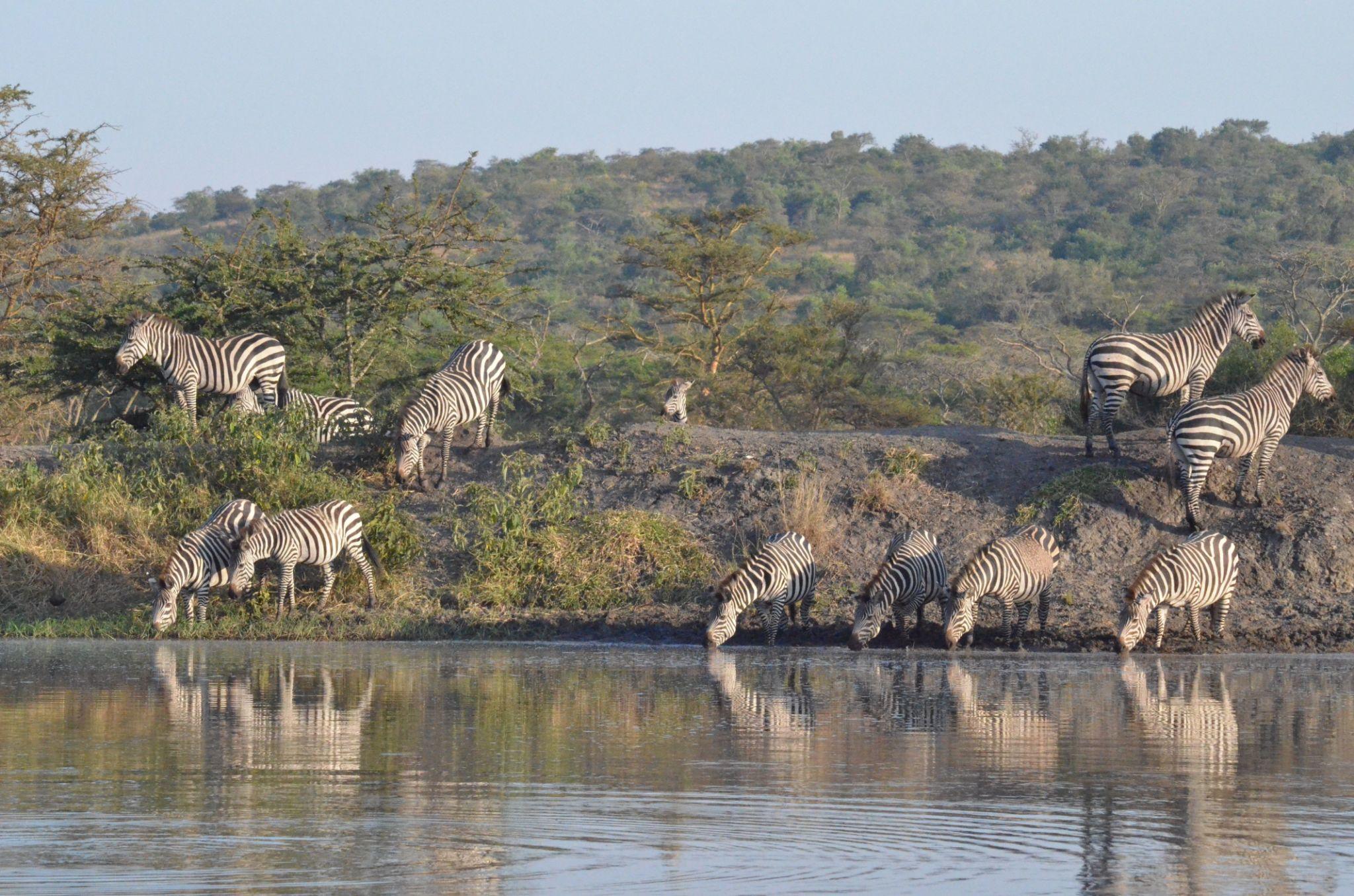
What makes Lake Mburo National Park enjoyable is the freedom of experience. You can explore it by game drive, boat cruise, guided nature walk, horseback safari, or mountain bike in the ranch lands outside the park. It is not a place where you only sit in a vehicle and watch from a distance. You can feel the open air, hear the grass moving, watch zebras and impalas feeding on the plains, and enjoy a safari that feels close without being rushed. Lake Mburo also works well for travellers who do not have many days. You can visit it as a long weekend from Kampala or Entebbe, or use it as a one or two-night stop on a longer Uganda safari. It fits well before or after gorilla trekking because it breaks the journey and gives you a different side of Uganda before you reach the mountain forests.
The park also has a strong community story. In 1991, the Mburo Community Conservation Unit was created to rebuild local support around the park. Today, 20% of income from park fees goes into community projects. That matters because a Lake Mburo safari is not only about wildlife. It is also about the people living around the park, the land they share with wildlife, and the way tourism helps protect both.
Things to Do in Lake Mburo National Park
Lake Mburo National Park gives you more than a normal game drive. This is one of the best parks in Uganda for travellers who want to slow down, breathe in the open country, and enjoy wildlife from different sides. Here, you can explore by safari vehicle, by boat, on foot, on horseback, by bicycle, and through selected community visits around the park.
What makes Lake Mburo special is how close and calm the park feels. The landscape is not overwhelming. It opens slowly, with acacia woodland, grassy valleys, rocky hills, papyrus edges, lake shores, and open plains where zebras, impalas, elands, buffaloes, warthogs, giraffes, and birds move through the day. It is a good park for travellers who want a softer safari, with enough activity to keep every day interesting.
Boat Cruise on Lake Mburo
A boat cruise on Lake Mburo is one of the easiest ways to enjoy the park at close range. You move slowly along the lake, watching hippos in the water, Nile crocodiles resting near the shore, buffaloes coming down to drink, and impalas feeding around the edges.
The lake is also very good for birds. As the boat moves near the papyrus and wetland areas, you can look out for African fish eagles, malachite kingfishers, pied kingfishers, Rufous long-tailed starlings, blue-headed weavers, hamerkops, herons, pelicans, cormorants, and many waterbirds. If the conditions are good, this is also one of the places where you can search for the shoebill stork. The boat cruise works well because it gives you a peaceful break from the dusty tracks. You sit back, feel the lake breeze, listen to the water, and enjoy wildlife without rushing from one place to another.
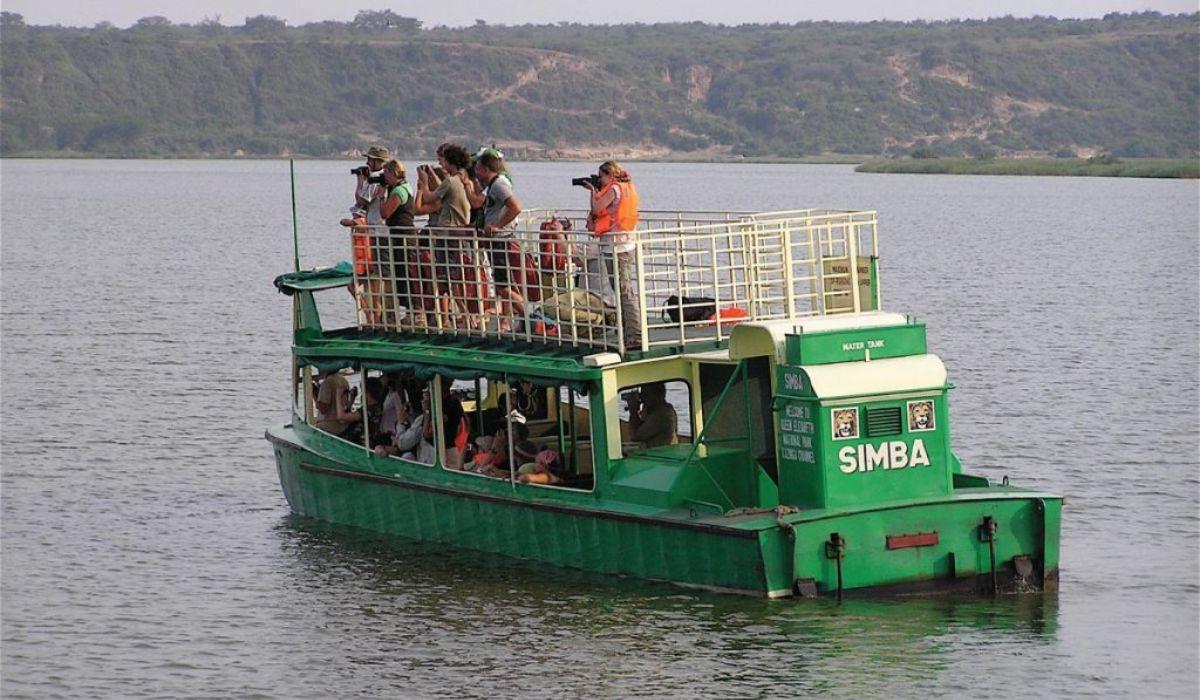
Boat cruise cost: about USD 30 per person for foreign non-residents.
Departure point: Rwonyo jetty.
Game Drives in Lake Mburo National Park
Game drives in Lake Mburo take you through open savannah, acacia woodland, grassy valleys, lakeside tracks, and quiet corners of the park where wildlife moves freely. A good 4×4 safari vehicle is recommended, mainly in the wet months when some tracks become slippery.
This is one of the best places in Uganda to see Burchell’s zebras and elands without travelling too far from Kampala. You can also look out for impalas, topis, buffaloes, warthogs, waterbucks, bushbucks, duikers, hyenas, jackals, leopards, bush babies, porcupines, and different antelope species.
Morning game drives, from around 6:00 to 10:00 AM, give you cooler air, softer light, and better chances to see animals before the heat builds up. Late afternoon drives, from around 4:00 to 7:00 PM, are also rewarding as the plains cool down and animals become more active again.
Lake Mburo is not about rushing from sighting to sighting. It is about reading the landscape slowly, stopping for tracks, watching zebras cross the road, seeing impalas lift their heads from the grass, and enjoying the quiet beauty of a smaller Uganda safari park.
Bird Watching in Lake Mburo National Park
Lake Mburo is a strong birding destination in Uganda, with around 350 bird species. The park has many habitats in a small area, including lakes, papyrus swamps, acacia woodland, open grassland, forest patches, and swampy valleys.
Good birding areas include the Miriti and Warukiri swampy valleys, the route from Rwonyo to the boat launch jetty, the lake shore, papyrus edges, and Rubanga Forest. These areas are good for both serious birders and general safari travellers who want more life between the bigger wildlife sightings.
Birds to look for include African grey hornbill, Nubian woodpecker, rare white-winged warbler, crested francolin, trilling cisticola, grey crowned crane, saddle-billed stork, green pigeon, harrier hawk, double-toothed barbet, shoebill stork, and red-faced barbet.
Birding in Lake Mburo works best when you slow down. You listen for calls, scan the reeds, check the woodland edges, and give yourself time. Some birds are easy to spot from the road, while others need patience around the swamps, lake edges, and forest paths.
Horseback Riding in Lake Mburo
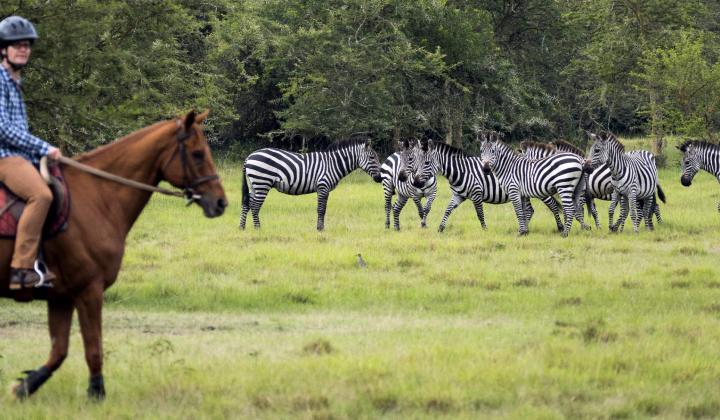
Horseback riding is one of the most memorable activities in Lake Mburo National Park. It gives you a quiet way to move through the landscape without the noise of a safari vehicle. The ride feels different because the animals respond to horses in a calmer way, mainly the zebras.
On horseback, you can move through open country and watch zebras, elands, impalas, buffaloes, waterbucks, topis, bushbucks, duikers, and warthogs from a softer angle. You feel the ground, hear the grass, and enjoy the park at a slower pace.
Rides can range from short 2-hour rides to longer rides and full-day experiences, depending on the lodge and the arrangement. This activity is good for travellers who want something active, quiet, and more personal than a normal game drive.
Nature Walks and Salt Lick Visits
Guided nature walks give you a closer feel of Lake Mburo at ground level. The walks are done with an armed ranger guide and can take you through savannah grassland, papyrus swamp edges, acacia woodland, and areas around Rwonyo.
Walking changes the way you see the park. You notice tracks, droppings, plants, bird calls, insects, and small movements in the grass that are easy to miss from a vehicle. It is a good activity for travellers who want to understand the land, not just drive through it.
The salt lick is one of the interesting walking points in the park. Animals come here to lick the salty soil, giving you a quiet chance to watch wildlife from a safe viewing point. It is simple, calm, and rewarding when animals are active around the area. Nature walks also suit birders because you can move slowly, listen carefully, and search through different habitats with your guide.
Nature walk cost: about USD 15 per person for foreign non-residents.
Sport Fishing on Lake Mburo
Sport fishing on Lake Mburo is a good choice for travellers who want a slow and peaceful activity by the water. The lake has 6 fish species, including tilapia, lungfish, mudfish, and Haplochromines. Visitors need to arrange the required fishing permission and carry their own fishing gear. Fishing is done from selected lake shore areas, where the surrounding birdlife, lake views, and wildlife sounds give the activity a quiet safari feeling. There is also a shaded campsite area near the fishing point, which makes it easier to spend more time by the lake. This activity works well for travellers who want a relaxed break between game drives, boat cruises, and other park activities.
Cycling in and Around Lake Mburo
Cycling is one of the best active ways to enjoy Lake Mburo’s open tracks, acacia woodland, nearby ranch lands, and gentle safari country. Rides are guided for safety and direction, giving you a closer feel of the landscape than you get from a vehicle.
As you ride, you can see zebras, antelopes, buffaloes, and other plains wildlife along the routes. The terrain around the park is fairly manageable, which makes cycling a good choice for travellers who want movement, fresh air, and a more personal safari pace.
Cycling around Lake Mburo also gives you that real Uganda feeling outside the vehicle. You hear the wind, the birds, the tyres on the track, and sometimes children calling “muzungu, muzungu” from nearby community areas outside the park. It is a small thing, but it makes the journey feel alive.
Rubanga Forest Walks
Rubanga Forest adds a greener and quieter side to Lake Mburo National Park. This small forest area is good for birders and nature lovers, with more than 40 bird species and several tree species, including fig trees, palm, acacia, platycaluz, and Markhamia.
Birds to search for here include shoebill stork, green pigeon, grey-backed cameroptera, and forest species that are harder to find in the open savannah. The forest gives you a different mood from the plains. It is cooler, more enclosed, and better for slow walking, listening, and careful birding. Visitors need special authorisation from the park warden before hiking in Rubanga Forest.
Cultural Experiences Around Lake Mburo
Lake Mburo also has a strong community side around the park. About 13 local community groups have been trained in eco-tourism and biodiversity projects, giving travellers a chance to meet the people who live close to this wildlife landscape. Cultural visits can include local homesteads, cattle-keeping traditions, community walks, craft work, and storytelling. Around areas such as Rwenjeru campsite and Ankole cultural communities, you can learn more about the long relationship between people, cattle, land, and wildlife in this part of Uganda. This is a good addition if you want your Lake Mburo safari to go beyond animals. You meet local people, hear their stories, see how daily life works around the park, and understand the wider setting before continuing to Bwindi, Mgahinga, Mbarara, or Kampala.
How to Get to Lake Mburo National Park
Lake Mburo National Park is one of the easiest Uganda safari parks to reach by road. The park sits in western Uganda between Masaka and Mbarara, along the main Kampala to Mbarara highway. This makes it a very good stop if you are travelling to or from Bwindi Impenetrable National Park, Mgahinga Gorilla National Park, Queen Elizabeth National Park, or Mbarara.
From Kampala, the drive to Lake Mburo takes about 3.5 to 4 hours, covering roughly 228 km, depending on where you start from, traffic, and the gate you use. The road journey is straightforward, and as you leave the busy city behind, the drive slowly opens into trading centres, countryside views, and the calmer feel of western Uganda.
As you approach from Kampala, the turnoff to Nshara Gate is found about 13 km after Lyantonde. You can also enter through Sanga Gate, which is reached from Sanga trading centre, about 27 km after Lyantonde. Both junctions are clearly signposted from the main road, so the park is easy to locate with a guide, driver, or clear travel directions.
From Mbarara, Lake Mburo is much closer. The drive to the park headquarters is about 47 km, making the park one of the easiest wildlife breaks from western Uganda’s main town. From Sanga, it is about 12 km to the park gate. From either main gate, it takes roughly 20 minutes to reach Rwonyo, the main activity area inside the park.
This easy access is one of the reasons Lake Mburo works so well in a Uganda safari itinerary. You do not need a very long travel day to enjoy wildlife, boat trips, nature walks, cycling, and quiet savannah scenery. It is a simple park to add between Kampala and western Uganda, and it gives you a soft, rewarding safari stop before or after the longer journeys to the gorilla and chimpanzee regions
Where to Stay in Lake Mburo National Park
Luxury Lodges in Lake Mburo National Park
- Mihingo Lodge
- Kigambira Safari Lodge
- Mantana Tented Camp
- Emburara Farm Lodge
Mid-Range Lodges Near Lake Mburo
- Rwakobo Rock Lodge
- Mburo Safari Lodge
- Arcadia Cottages Lake Mburo
Budget Accommodation and Campsites in Lake Mburo
- Eagles Nest Lake Mburo
- Leopard Rest Lodge
- Rwonyo Rest Camp
- Park Bandas and Campsites