
Nyungwe Forest National Park Rwanda
Nyungwe Forest National Park is Rwanda’s main rainforest safari destination and one of the oldest rainforests in Africa. It lies in south-western Rwanda, near Lake Kivu, Burundi and the Democratic Republic of Congo, covering about 1,019 square kilometres of dense Afromontane forest, bamboo-covered slopes, wetlands, grasslands, valleys and high ridges. For travellers, Nyungwe is best known for chimpanzee trekking.
The park has habituated chimpanzee communities, including groups in Cyamudongo Forest, where early morning treks give visitors a chance to follow the chimps through thick forest with park guides and trackers. It is also one of the best places in Rwanda to see other primates, including large troops of black-and-white colobus monkeys, L’Hoest’s monkeys, red-tailed monkeys, blue monkeys and olive baboons.
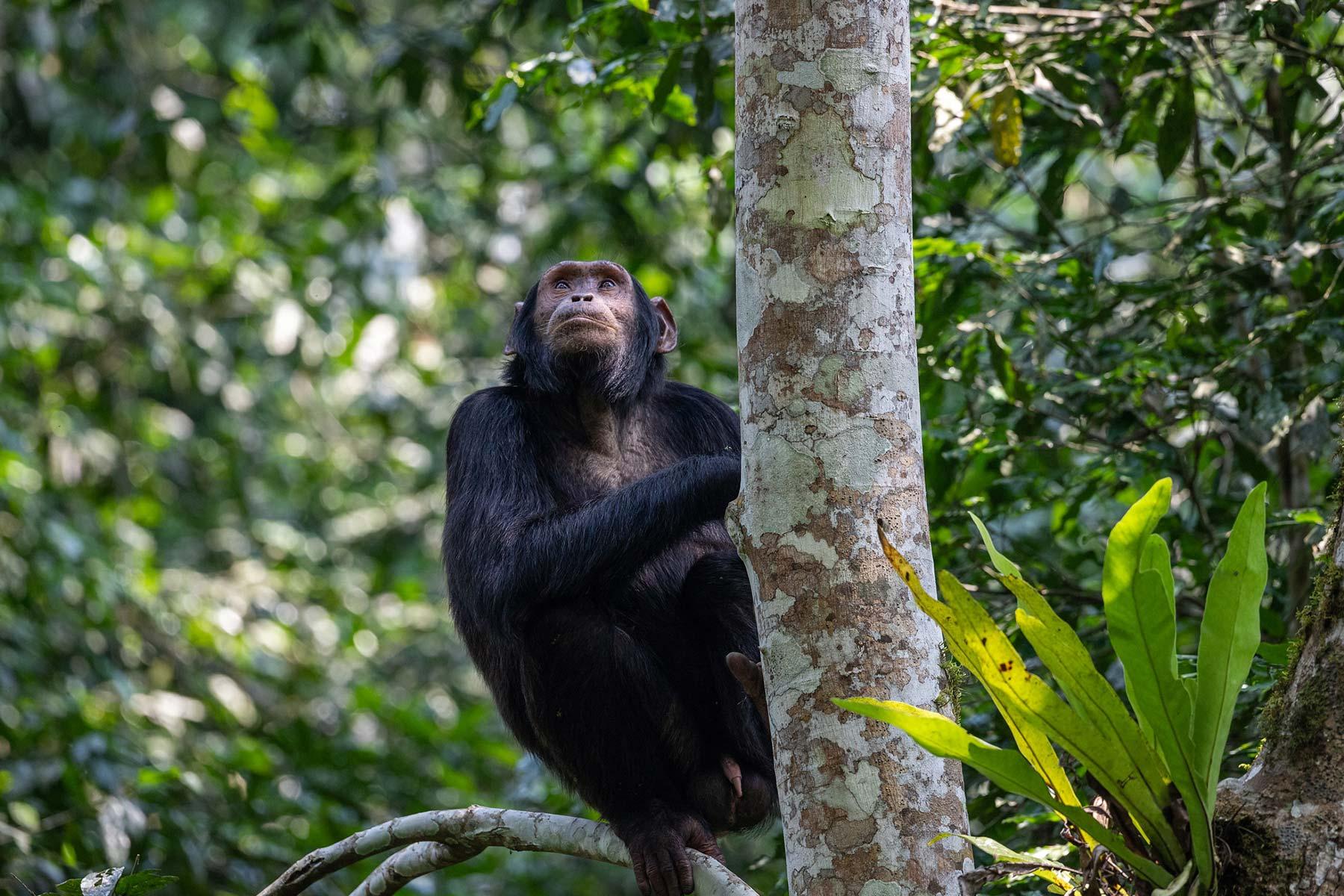
Nyungwe is not only about chimpanzees. The park has over 1,100 recorded plant species, around 85 mammal species and more than 300 bird species, including Albertine Rift endemics that attract serious birdwatchers. Its streams, swamps and forested mountains feed into major river systems linked to the Congo and the Nile, making the forest important not only for tourism but also for Rwanda’s water and climate.
The park is also a strong choice for active travellers. Visitors can walk the famous canopy walkway above the forest, hike to waterfalls such as Kamiranzovu and Ndambarare, explore forest trails from Uwinka, Gisakura and Kitabi, or add zipline and cycling experiences where available. The canopy walk is one of the easiest ways to appreciate the size and depth of the forest, especially for travellers who want a memorable activity without doing a long trek.
Nyungwe works well in a Rwanda safari route that connects Kigali, Lake Kivu, Volcanoes National Park and Akagera National Park. Most visitors stay around Gisakura, Kitabi, Uwinka or nearby lodges outside the park, then enter the forest early for chimpanzee trekking, canopy walks, birding or guided hikes. A good Nyungwe visit needs proper timing, the right activity permits, proper hiking shoes, rain protection and an early start, especially for chimpanzee trekking.
Things to Do in Nyungwe National Park
Nyungwe National Park is one of the best places in Rwanda for travellers who want forest activities, primates, birds, hiking and soft adventure in one place. The park is not a drive-through safari destination. It works best when you give it time, start early and choose activities that match your fitness, interests and route. The main activities include chimpanzee tracking, the canopy walkway, colobus monkey tracking, guided forest hikes, birding, waterfall walks, night walks, zipline, the Gisakura rope course and community experiences around the forest edge. Most activities are arranged from Uwinka, Gisakura, Gisovu or day visitor access points, so the reporting point needs to be confirmed before arrival.
Chimpanzee Tracking in Nyungwe Forest
Chimpanzee tracking is the main wildlife activity in Nyungwe. The park has semi-habituated chimpanzee communities in forest parts such as Cyamudongo, Mayebe and Gisovu, with a maximum of 8 visitors allowed per community each day. The trek starts early because chimpanzees are most active in the morning, often moving, feeding, calling and travelling through the forest before the day becomes warmer. The distance, altitude gain and time in the forest change depending on where the chimpanzees are that morning.
Some routes, especially around Cyamudongo, can involve about 2 to 6 hours of walking with roughly 240 metres of altitude gain, but no trek follows the same pattern every day. Visitors may spend time walking, listening for calls and scanning the treetops with trackers before the chimps are located. Wear proper hiking shoes or gum boots, carry rain gear, water, snacks and binoculars. A walking stick is usually provided and is useful because the forest can be slippery, especially after rain. Chimpanzee tracking suits active travellers who are comfortable with early starts, uneven ground and changing forest conditions.
Nyungwe Canopy Walkway
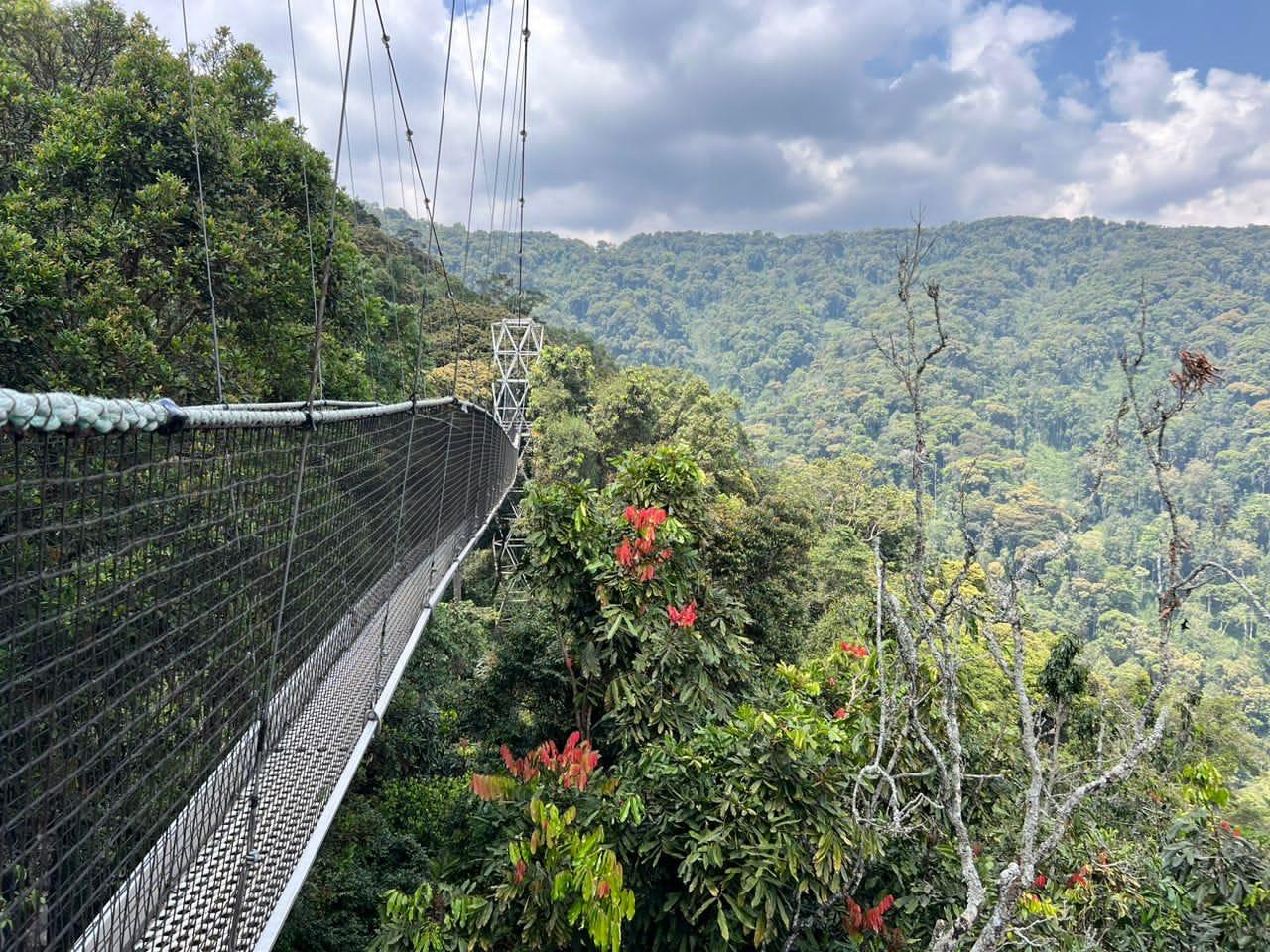
The canopy walkway is one of Nyungwe’s most popular activities and a good choice for visitors who want a strong forest experience without spending the whole day on a long hike. The walk starts from Uwinka Visitor Centre and takes visitors through the forest before reaching the suspended bridge above the treetops. From the bridge, you get wide views over the ancient montane rainforest canopy, valleys, birds, butterflies and sometimes monkeys moving through the trees. The bridge is high, so visitors who fear heights need to be prepared, but the experience is guided and managed carefully. This activity works well after chimpanzee tracking, as a half-day forest activity, or as part of a 2 or 3-day Nyungwe stay. Wear good shoes and carry a light rain jacket because the paths can become muddy and the weather can change quickly.
Colobus Monkey Tracking
Colobus monkey tracking is a strong option for visitors who want a primate activity that is usually easier than chimpanzee tracking. Nyungwe is known for large groups of Angolan black-and-white colobus monkeys, including a large troop that can be tracked from Uwinka and another smaller group around Gisakura.
Gisakura is especially useful if you have arrived with only a few hours before dinner or if you did a harder hike the previous day. The outing can take about 1 to 3 hours and is generally more relaxed. A local guide is still required, and visitors should carry binoculars, rain gear, water and proper walking shoes.
The Gisakura forest area sits near tea plantations, with a small rainforest patch, a stream, forest-edge trails and views across the hilly countryside toward Lake Kivu and the Democratic Republic of Congo on clear days. If the colobus monkeys are nearby, trackers direct the guide to the best access point. If they are not found immediately, visitors can still enjoy a short forest walk or a gentle walk along the plantation edge.
Adventure Trails and Guided Forest Hikes
Nyungwe is a strong hiking destination because of its mountain ridges, valleys, streams, waterfalls, swamps and dense rainforest. Ten hiking trails start from Uwinka Visitor Centre and three begin from Gisakura, giving travellers a wide range of options depending on time and fitness. Shorter trails are better for visitors who want forest scenery, birds, orchids, butterflies and fresh air without a demanding day. Longer trails suit active hikers who want deeper forest, steeper ground and more time in Nyungwe’s quieter sections. The forest floor can be wet, roots can be slippery and the weather can change quickly, so hiking shoes, rain protection and water are important. Guided hikes can be planned around forest views, waterfalls, birds, primates, flowers, ancient trees or the Kamiranzovu swamp area. The best choice depends on how much time you have and how much walking you want to do.
Specialised Birding in Nyungwe
Nyungwe is one of Rwanda’s best birding areas, with more than 300 recorded bird species and many Albertine Rift endemics. Birders come here for forest species, turacos, sunbirds, warblers and birds linked to the montane forest and swamp habitats. Good birding areas include forest trails, flowering trees, the canopy route, Gisakura, Uwinka and swampy sections such as Kamiranzovu. Species of interest can include Grauer’s Warbler, Rwenzori Turaco, Great Blue Turaco and different sunbirds, depending on location and season. A specialised birding experience is best done with a bird guide who knows the calls, feeding trees and forest zones. Binoculars are essential, and early morning is usually better for activity and sound.
Community, Tea and Coffee Experiences
Nyungwe also works well with community and tea experiences around the forest edge. Around Banda, Gisakura and nearby villages, visitors can add tea visits, coffee stops, traditional crafts, pottery, blacksmithing, local brewing demonstrations or cultural dance experiences. These activities are useful after a forest activity or on a lighter day between chimpanzee tracking and hiking. They help travellers understand the communities around Nyungwe and give the itinerary a softer cultural side beyond primates and forest trails.
Best Time to Visit Nyungwe National Park
Nyungwe Forest National Park can be visited throughout the year, but the experience changes with the season. This is a tropical rainforest, so even in the drier months, rain can still fall without much warning. The best time depends on what you want to do, chimpanzee trekking, canopy walk, hiking, birding, colobus monkey tracking or combining Nyungwe with other Rwanda safari destinations.
Dry Season in Nyungwe
The drier months are January, February, June, July, August, September and December. These are the most comfortable months for most visitors because the forest trails are less wet, less slippery and easier to walk on. The vegetation is also a little less thick in some areas, which helps during chimpanzee tracking, colobus monkey tracking, forest hikes and the canopy walk.
For chimpanzee trekking, mornings are the most important. The activity starts early because chimpanzees are more active in the first part of the day, feeding, calling and moving through the forest. Depending on where you sleep and where your trek starts, you may need to wake up very early, sometimes around 4:00 am to 4:30 am, especially when staying far from the reporting point.
The dry season is also a good time for travellers who want to combine Nyungwe with gorilla trekking in Volcanoes National Park or game drives in Akagera National Park. Road conditions are usually easier, hiking is less tiring and there are fewer interruptions from heavy rainfall. The canopy walk, nature walks, longer hiking trails and photography also feel more comfortable during this period. Even in the dry months, you need rain protection. Carry a waterproof jacket, proper hiking shoes or gum boots, drinking water, a small daypack and warm clothing for the early morning. The forest can be cool, misty and wet at any time of year.
Wet Season in Nyungwe
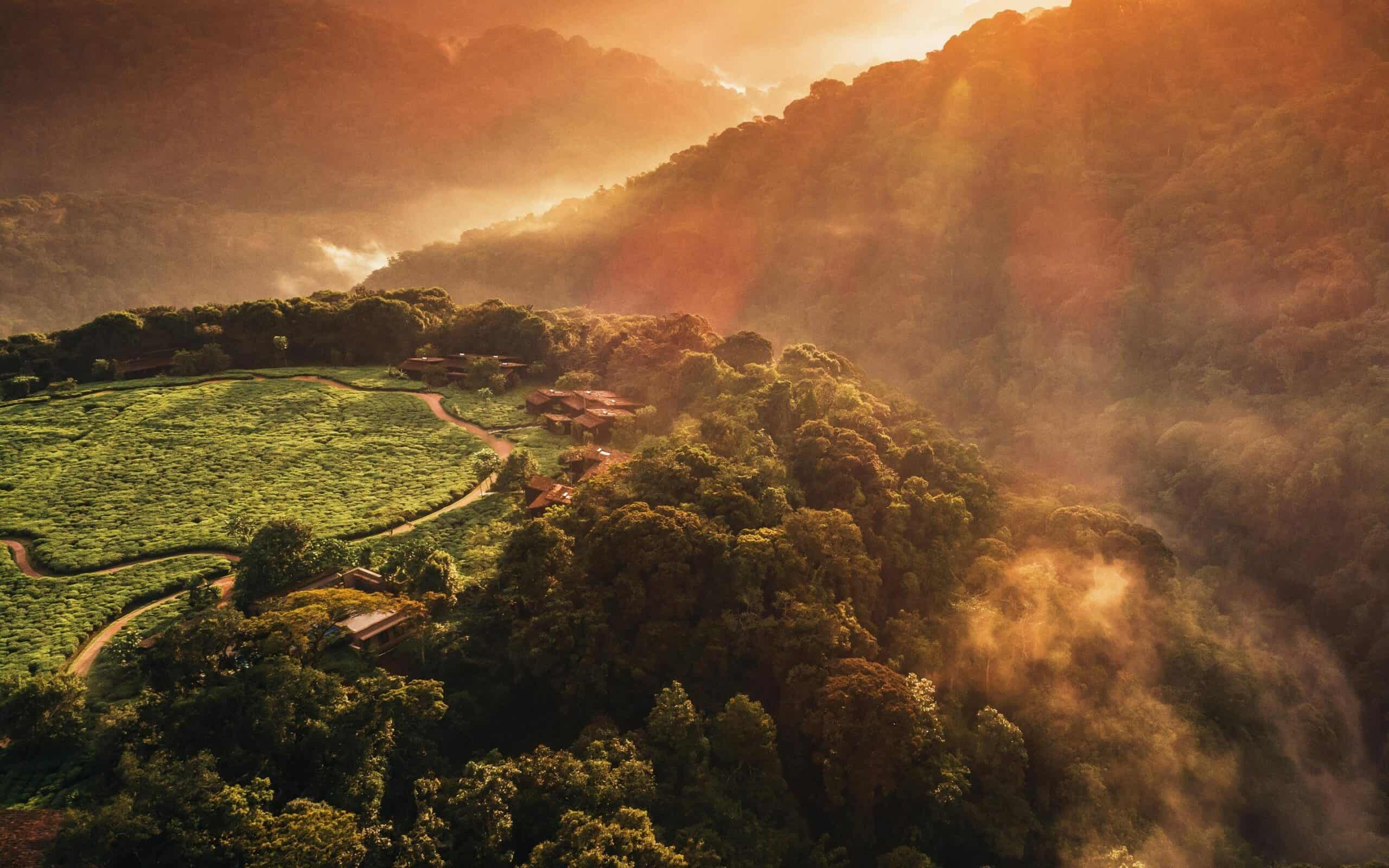
The wetter months are March, April, May, October and November. These months bring more frequent rain, and the trails can become muddy, slippery and more demanding. Vegetation can also be thicker, which may make hiking and tracking feel harder, especially on steeper routes. The wet season still has its advantages. The forest is greener, flowers are more visible, waterfalls and streams are stronger, and birding can be very rewarding. Birdwatchers may enjoy this period because breeding activity and migratory birds can make the forest more active. Nyungwe is one of Rwanda’s strongest birding areas, so the wet months can work well for travellers who are patient and properly prepared.
Primate tracking can also remain good in the wet season. Because there is more food in the forest, chimpanzees and colobus monkeys may not need to travel very long distances every day. This can sometimes make tracking easier, although sightings still depend on the location of the primates, the weather, the forest conditions and the work of the trackers. Visitors choosing the wet season need better preparation. Wear strong hiking shoes or gum boots, carry rain gear, protect your camera or phone, and be ready for slower walking on muddy ground. A walking stick is helpful, and a porter is useful for longer hikes or chimpanzee trekking.
How to Get to Nyungwe National Park
Nyungwe National Park is in southwestern Rwanda, close to Rusizi, Lake Kivu, Burundi and the Democratic Republic of the Congo. Most Rwanda safaris to Nyungwe start from Kigali, although the park can also be reached from Lake Kivu, Volcanoes National Park or Rusizi, depending on the route. The park has key access and activity points around Kitabi, Uwinka and Gisakura. Uwinka is the main visitor centre in the middle of the forest and is useful for the canopy walk, several hiking trails and activity coordination. Gisakura is practical for visitors staying on the western side of the park, especially for colobus monkey tracking, tea scenery and access toward Cyamudongo. Kitabi works well for visitors entering from the eastern side.
Getting to Nyungwe by Road
The most common way to reach Nyungwe National Park is by road from Kigali. The drive is about 218 to 226 kilometres and usually takes around 5 to 7 hours, depending on road conditions, stops and the exact lodge or activity point being used. The road is mostly tarmac and passes through Rwanda’s southern countryside, with hills, farms, towns and forest views as you get closer to the park.
A road transfer is the most reliable option for most visitors because it allows easy stopovers along the way. Common stops to include are King’s Palace Museum in Nyanza and the Ethnographic Museum in Huye, formerly Butare. These stops help break the journey and add cultural value before reaching the forest. Visitors coming from Lake Kivu can also connect to Nyungwe by road. From Rubavu or Gisenyi, the drive can take about 4 hours depending on the route and road conditions. From Rusizi, formerly Cyangugu, the park is much closer, with the drive to the western side of Nyungwe taking about 1 to 1.5 hours.
Public transport is possible but not ideal for safari travellers with fixed activity times. Buses and taxis from Nyabugogo in Kigali can travel toward Rusizi, but the journey often takes about 7 to 8 hours because of passenger stops along the way. For visitors doing chimpanzee trekking, canopy walk or guided hikes, a private safari vehicle is much easier because reporting times are early and activity points may not be near the main road.
Cyamudongo Forest, one of the important chimpanzee tracking areas, is outside the main forest block and takes about 1 hour from Gisakura reception. The access road can be rough, especially after rain, so a 4×4 vehicle is recommended. The route passes near tea estates and hillside settlements before reaching the forest area. Trackers and rangers work with guides to locate the chimpanzees and help visitors follow the most efficient route during the trek.
Getting to Nyungwe by Air
Travellers who want to reduce road time can fly from Kigali to Kamembe Airport, near Rusizi. The flight takes about 40 to 45 minutes, followed by a road transfer to the Nyungwe area. Kamembe Airport is close to Rusizi town, and the drive from Kamembe to the western side of Nyungwe usually takes about 1 to 1.5 hours depending on the lodge, road conditions and activity point. This option works well for travellers with limited time, luxury itineraries or safari routes that combine Nyungwe with Lake Kivu. It is also useful when visitors want to avoid the long Kigali to Nyungwe drive but still need to reach the forest in time for early activities the next morning.
Private helicopter transfers can also be arranged for high-end visitors. These flights can take about 45 minutes from Kigali and may land closer to selected lodge areas where landing arrangements are available. A driver then meets you at the landing point and transfers you to the booked accommodation.
Even when flying, activity planning still matters. Chimpanzee trekking starts very early, and the reporting point may be far from the lodge. The canopy walk, hiking trails, birding, colobus tracking and Cyamudongo chimpanzee tracking may all use different access points, so transfers need to be arranged according to the activity schedule, not just the nearest town.
Where to Stay in and Around Nyungwe Forest National Park
Accommodation near Nyungwe Forest depends on your budget, the activity you are doing and the side of the park you need to access. This is important because Nyungwe is a large forest, and activities do not all start from the same place. Chimpanzee tracking, canopy walk, colobus monkey tracking, hiking trails and birding may require different reporting points, so where you sleep can affect your morning timing.
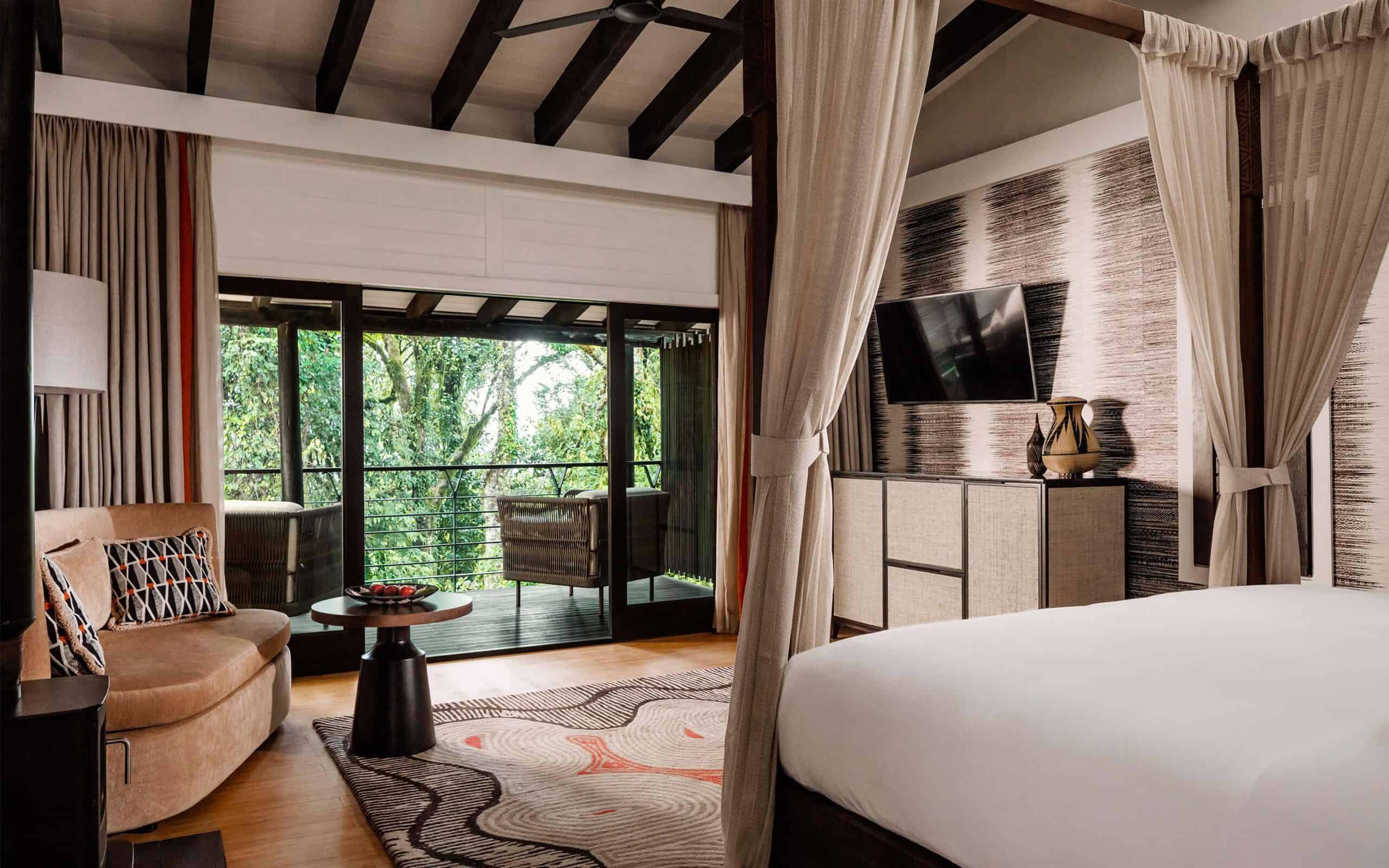
For a high-end stay, One&Only Nyungwe House is one of the strongest luxury options near the forest. It sits in a tea plantation setting and works well for visitors who want comfort, privacy, good dining, spa services and easy access to forest activities. This is best for guests who want Nyungwe to feel like a premium rainforest escape rather than only an activity stop.
Nyungwe Top View Hill Hotel is a good mid-range option for travellers who want comfort, views and easier access to the park without paying luxury lodge rates. It suits visitors doing chimpanzee tracking, canopy walk, hiking or birding, especially when the itinerary needs an overnight stay before an early start. Nyungwe Nziza Eco-Lodge and Kitabi Eco-Center can also work well for travellers looking for simpler, nature-focused stays around the park.
For budget travellers, Gisakura Family Hostel, Gisakura Campsite, Uwinka Campsites, Uwinka Guesthouse and Gisovu Guesthouse offer more basic accommodation options. These are useful for travellers who care more about location, early activity access and affordability than luxury facilities. Uwinka is especially practical for the canopy walkway and several hiking trails, while Gisakura works well for colobus monkey tracking, tea plantation views and access to the western side of the forest.
Munazi Lodge is another option for travellers who want a quiet eco-style stay in the forest area. It has A-frame cottages and suits visitors who prefer a simple lodge atmosphere with valley views. Gisovu Guesthouse is useful for travellers accessing the northern side of Nyungwe, with views toward Lake Kivu and Muzimu, one of the higher mountain areas in the park.
Camping is also available for travellers who want a closer forest experience. Uwinka Campsites and Gisakura Campsite are practical for visitors who do not need full hotel facilities and are comfortable with a simpler stay near the forest. These options work best for active travellers, students, researchers, backpackers or guests doing several forest activities on a tighter budget. Emeraude Kivu Resort can be considered when combining Nyungwe with Lake Kivu or when the route continues toward Rusizi. It is not the closest choice for every Nyungwe activity, but it can make sense for travellers who want to connect the forest with a lake stay.
The best accommodation choice comes down to your activity plan. Stay closer to Uwinka for the canopy walk, hiking trails and central forest access. Stay around Gisakura for colobus monkey tracking, tea scenery and western forest activities. Choose a higher-end lodge if comfort is a priority, or a campsite and guesthouse if the main goal is to be close to the forest and manage the budget.