Kibuye in Rwanda, Karongi on the Shores of Lake Kivu
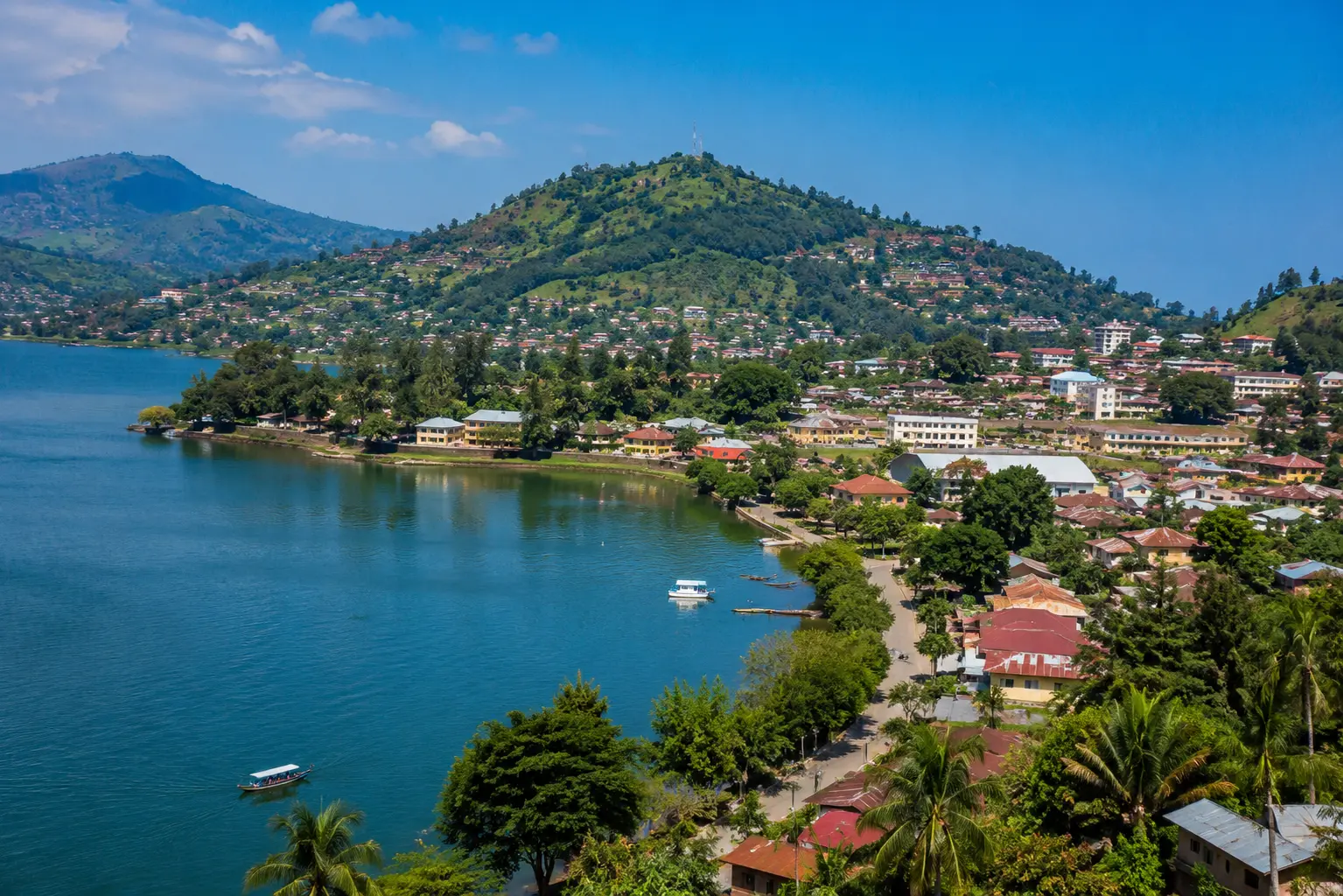
Kibuye in Rwanda, now officially called Karongi, is one of the calmest lakeside towns on Lake Kivu. It sits in Karongi District and also serves as the administrative centre of Rwanda’s Western Province, with the provincial headquarters in Bwishyura Sector near the eastern shore of the lake. From Kigali, you drive roughly 135 kilometres west, or about 140 kilometres from Kigali International Airport, with the journey taking around 2.5 to 3 hours. Along the Lake Kivu shoreline, Kibuye sits between Rubavu, formerly Gisenyi, in the north and Rusizi, formerly Cyangugu, in the south. This makes it a good resting point if you are travelling from Kigali to Lake Kivu, Nyungwe, or the forests of southwestern Rwanda.
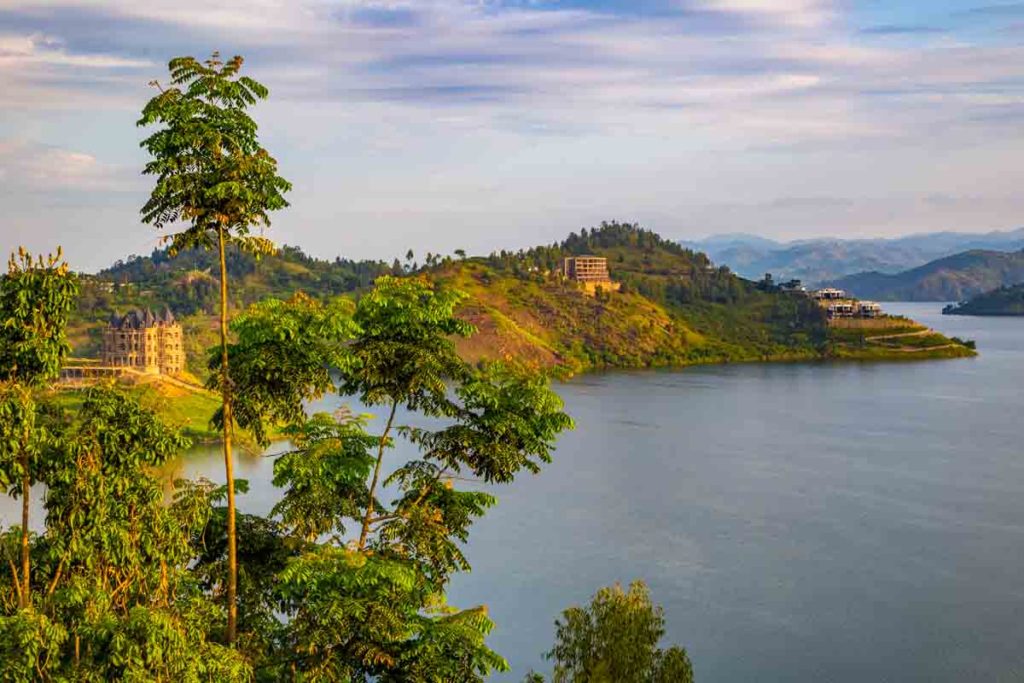
What makes Kibuye special is the way Lake Kivu enters the hills. The lake does not sit flat and open in one simple line. It bends into narrow coves, quiet bays, small inlets, and green slopes that drop toward the water. From the higher points, you look down and see long arms of blue water moving between steep hills, pine trees, eucalyptus woodland, and small homes scattered across the landscape. Down by the shore, you can swim in suitable lakeside areas, take a boat to the islands, kayak across calm bays, or sit quietly as the fishing boats come back. At dawn and dusk, local fishermen paddle in groups across the lake, singing as their boats move through the water. That sound is part of the Kibuye experience. It is soft, local, and very different from a rushed safari day.
Kibuye also gives you enough to do while still keeping its slow lakeside feeling. You have beaches, lakeside hotels, guesthouses, restaurants, boat trips, kayaking, island visits, and the Museum of Environment. Around the town, you can visit Ndaba Rock and its waterfall, take a boat excursion around the Lake Kivu islands, or spend time at the Bisesero Genocide Memorial, where the history of resistance during the 1994 Genocide against the Tutsi is remembered. Nyungwe National Park is about 85 kilometres from the area, so Kibuye also works well before or after chimpanzee trekking, forest walks, and the canopy walkway. Give Kibuye one or two nights. That gives you time to feel the lake, explore the hills, listen to the fishermen on the water, and rest before continuing to Nyungwe, Rubavu, Rusizi, or Kigali.
Things to Do in Kibuye, Rwanda
Kibuye is the kind of lakeside town where you slow down without feeling like you are missing anything. One day you can be out on Lake Kivu by boat or kayak, moving between green islands and quiet coves. The next day you can sit by the shore, watch fishing boats cross the water, and listen as the hills around Karongi settle into the evening.
Most things to do in Kibuye centre on Lake Kivu, but Karongi District gives you more than the lake alone. You can visit waterfalls, historic hills, tea country, community projects, birding areas, and places connected to Rwanda’s painful but important history. Two nights give you time for the main highlights. Three nights are better if you want kayaking, island visits, a slower lakeside afternoon, and a longer drive into the surrounding hills.
Explore Lake Kivu from Kibuye
Lake Kivu is the heart of Kibuye. Everything here seems to face the water. The lake covers about 2,700 square kilometres along the Rwanda and Democratic Republic of the Congo border. It stretches roughly 89 kilometres in length and reaches about 48 kilometres at its widest point.
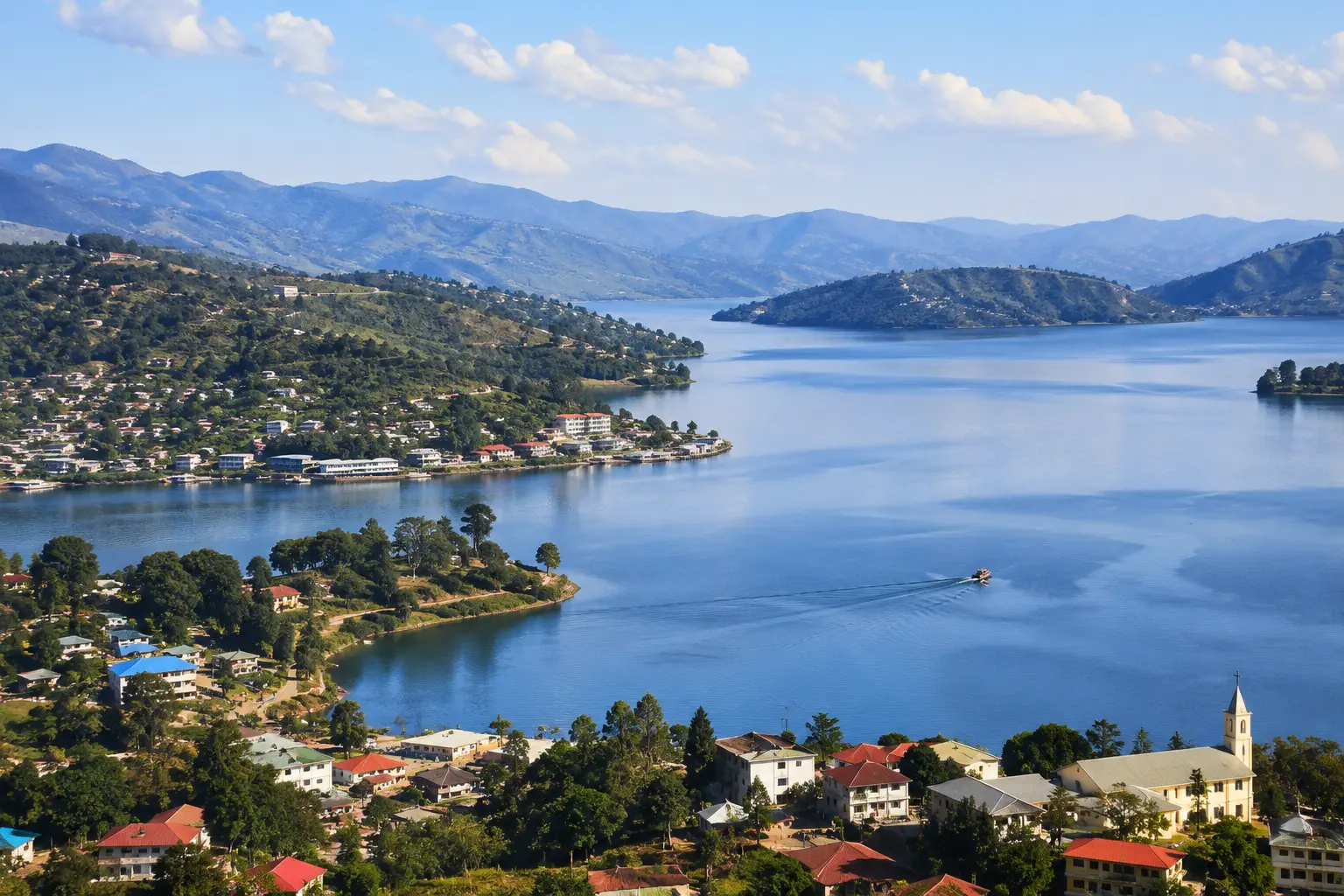
Around Karongi, the shoreline bends into wooded peninsulas, small coves, sheltered bays, and quiet inlets. This is the area many people know as the Bay of Islands. From the shore, you see green hills dropping into the water, boats moving between islands, and calm corners where the lake feels almost private. Lake Kivu drains south through the Rusizi River towards Lake Tanganyika.
You can swim at established lakeside areas, relax by the shore, watch birds, go fishing, or sit quietly and look across the water towards the hills. Before swimming, ask locally about the safest entry point and the water conditions for that day. Do not enter from an isolated stretch of shoreline when you are not sure. Karongi sits halfway along Rwanda’s Lake Kivu coast, with pine and eucalyptus-covered hills rising behind the town. This gives Kibuye its soft lakeside feeling. You are beside the water, but never far from the green hills.
Take a Boat Trip to the Lake Kivu Islands
A boat trip is one of the best ways to understand Kibuye. From the water, you see the town differently. The coves open up, the hills look wider, and the islands feel closer than they do from the road. Short boat trips can take a few hours. Longer trips can combine several islands, birdwatching, fishing, lake views, and a sunset return to town. This is a good way to spend your first full day in Kibuye because it gives you the shape of the lake and helps you feel the calm pace of Karongi.
Amahoro Island, whose name means Peace Island, is a popular stop for lunch, a gentle walk, and time beside the water. Napoleon Island gets its name from a shape said to look like Napoleon Bonaparte’s hat. It is also known for its large colony of straw-coloured fruit bats. As your boat gets closer, you can hear them in the trees before you see them rising above the island.
Late afternoon is a beautiful time to go out. You return as the light softens across the water and the fishing crews begin preparing for the night. Their boats move out with nets and lamps, and their calls and songs travel across the lake. This is the kind of Kibuye evening you remember long after leaving Rwanda.
Kayak through the Bay of Islands
Kayaking brings you even closer to Lake Kivu. Instead of looking at the water from a boat, you move with it. You paddle into narrow bays, pass quiet shores, and reach calm corners where larger boats cannot enter. The sheltered coastline around Karongi works well for relaxed introductory paddles. Stronger paddlers can choose longer routes across the Bay of Islands. Trips can range from half-day and full-day outings to 1-day, 2-day, and 4-day journeys.
Longer kayak routes can pass inhabited and uninhabited islands, fishing communities, wooded shores, and birding areas. Some routes stop at Amahoro Island for lunch before continuing across the lake and returning as the sun drops behind the hills. You do not need previous kayaking experience for shorter trips when you have a trained leader, a suitable kayak, and a properly fitted life jacket. Before departure, confirm the route, paddling distance, weather, and support. Lake Kivu is calm in many areas, but it is still a large lake, and every trip works best when guided properly.
Watch Lake Kivu’s Night Fishermen
One of the most memorable evenings in Kibuye begins before sunset. This is when fishing crews prepare their wooden boats, check their nets, arrange their lamps, and move slowly out onto the lake. As darkness comes in, the boats work in groups across the water. The lamps glow in the distance, and the voices of the fishermen carry from one boat to another. You hear songs, calls, and the rhythm of people doing work they know well.
You can watch from the shoreline, or you can arrange an accompanied evening boat experience that keeps a respectful distance from the working crews. This is not a show arranged for visitors. These are fishermen doing their nightly work, so photographs and close approaches need permission and respect. This simple evening scene is one of the strongest reasons to sleep in Kibuye instead of rushing through. The lake changes after sunset, and the town feels completely different.
Taste Sambaza and Local Rwandan Food
Sambaza are small fish caught in Lake Kivu and served around Kibuye in homes, restaurants, and lakeside hotels. They are commonly fried until crisp and eaten whole, sometimes with lemon, chilli, or fresh tomato sauce. Depending on where you eat, sambaza can be served with plantain, chips, rice, cassava-based ubugali, or maize posho. Ask for a freshly prepared plate and eat it beside the lake where you can. This is not a complicated meal, but it connects you directly to Kibuye. In the evening, you watch the fishermen go out. The next day, sambaza comes to the table. That is the beauty of eating beside Lake Kivu. The food, the lake, and the people all belong to the same story.
Visit Ndaba Rock and Waterfall
Ndaba Rock, known in Kinyarwanda as Urutare rwa Ndaba, stands in Rubengera Sector along the road between Muhanga and Karongi. From central Kibuye, it lies roughly 25 to 28 kilometres away, depending on the point used to measure the distance.
Water drops over the rock face into the valley below, while the surrounding high ground gives you views across farms, hills, homes, and small settlements. It is also known for the local story connected to Ndaba, which a resident storyteller or local host can share when you arrive.
Ndaba Rock works well as a stop when driving between Kigali and Kibuye. You do not need to treat it as a full-day outing. Allow enough time to walk towards the falls, listen to the story behind the name, and take in the surrounding countryside. Karongi District recognises Ndaba Rock as a historic landmark and a symbolic gateway into the district.
Visit the Museum of the Environment in Karongi
The Museum of the Environment stands close to the Lake Kivu shoreline and gives you a useful break from the water without taking you far from town. The museum helps you understand Rwanda’s ecosystems, natural resources, and changing relationship with the environment. Exhibitions cover two floors and look at renewable and non-renewable energy, fuel use, biodiversity, conservation, and the effect human activity has on the natural world.
The rooftop traditional herbal medicine garden adds a more local layer to the visit. Here, you learn about plants used within Rwandan healing traditions and how people have long depended on the land around them. Set aside about one to two hours. It works well during a rainy afternoon, before an evening boat trip, or as a quiet stop when you want more context behind the lake, hills, forests, and farming landscapes of Western Province.
Visit Kibuye Genocide Memorial
Kibuye Genocide Memorial, near Home Saint Jean, commemorates Tutsi men, women, and children killed in the area during the 1994 Genocide against the Tutsi. The setting beside Lake Kivu can look peaceful, but the history held here is deeply painful. Enter quietly, dress respectfully, and give the memorial time. This is not a place to rush through between lake activities. It is a place to listen, reflect, and understand part of what happened in Kibuye. Some areas have a resident custodian who can explain the history of the site and how the memorial serves survivors, families, and younger generations today. Keep your phone silent, ask before taking photographs, and use the recognised term, the Genocide against the Tutsi.
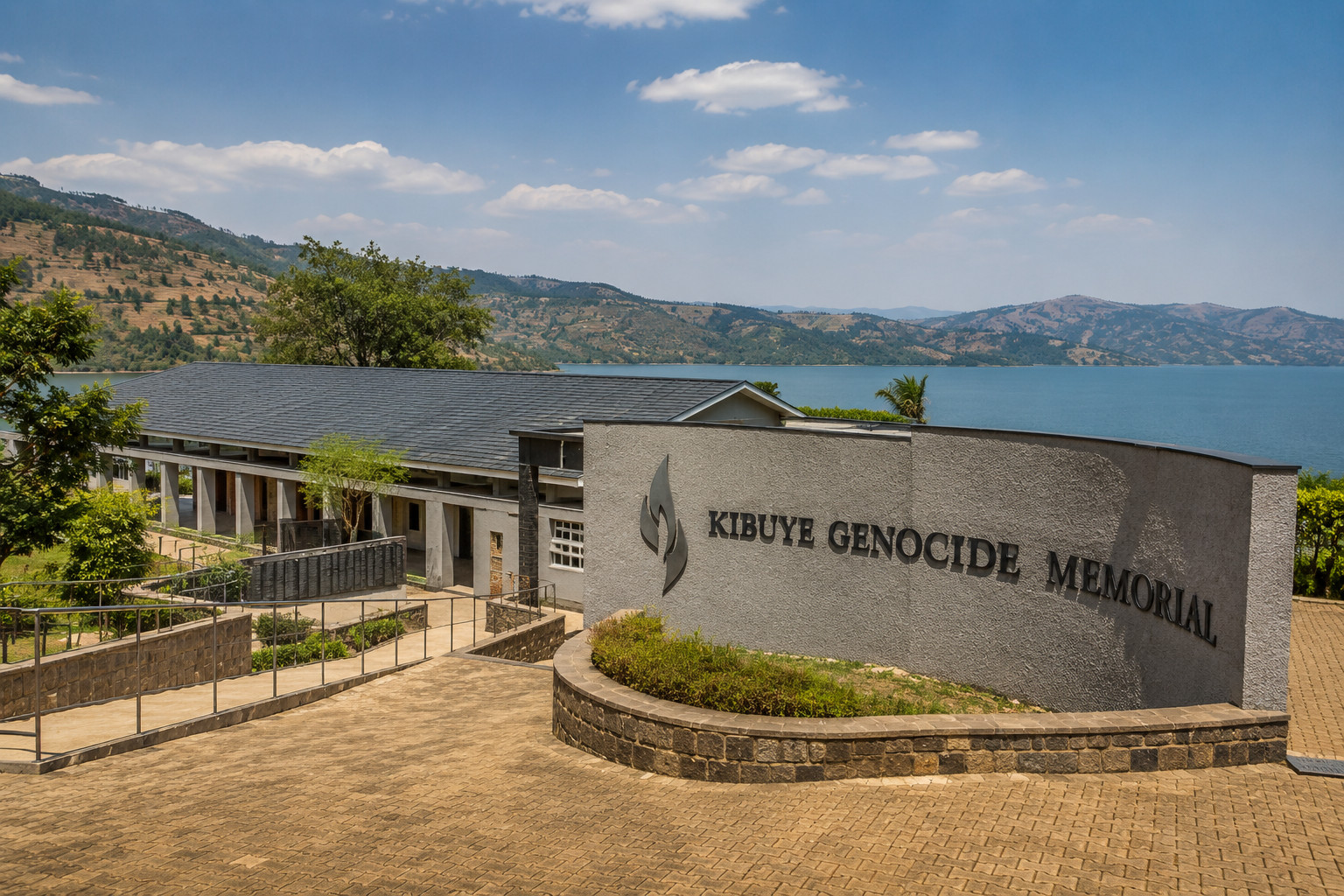
Learn about Resistance at Bisesero and Muyira Hill
Bisesero Genocide Memorial lies in the hills of Karongi District and preserves one of the most important stories of resistance during the Genocide against the Tutsi. For more than two months, Tutsi communities in the Bisesero hills tried to defend themselves using stones, spears, and the steep terrain they knew well. Muyira Hill forms part of this wider landscape of resistance and remembrance. More than 4,000 people are said to have gathered around the hill as they tried to protect their families and hold back repeated attacks. This is not a casual tourist stop. Visit with a memorial representative or an informed local host who can place Muyira Hill within the full history of Bisesero. Give the visit the seriousness it deserves. Avoid intrusive photography, keep your phone silent, and allow the story to be told with dignity.
Walk or Cycle Part of the Congo Nile Trail
Karongi is an important stop along the Congo Nile Trail, one of Rwanda’s most scenic walking and cycling routes along the hills and shoreline of Lake Kivu. You do not need to complete the full trail to enjoy it. From Kibuye, a half-day walk or cycle can take you through small settlements, cultivated hills, eucalyptus woodland, and viewpoints above Lake Kivu. Along the way, you get the quiet side of Rwanda, with people working in fields, children walking from school, and lake views opening between the trees.
The section towards Gisovu is much more demanding. It climbs into Rwanda’s tea-growing highlands and suits fit riders who are ready for steep terrain. One recognised cycling stage between Karongi and Gisovu covers around 29.5 kilometres and gains roughly 1,375 metres in elevation. For a softer experience, choose easier local routes closer to town. For a stronger ride, ask for a guided section towards the hills, where the lake slowly drops behind you and the tea country begins to appear.
Visit the Gisovu Tea Plantations
Gisovu lies high in the hills east of Kibuye, close to the northern edge of Nyungwe Forest. The tea fields spread across steep slopes in long green lines, creating one of the most rewarding countryside drives from Karongi. The plantation area stands about 58 kilometres above Kibuye by road, so treat it as a proper day outing rather than a quick one-hour visit. The road climbs through hills and farming country, giving you a different view of Karongi beyond the lake.
A well-arranged visit can include a walk through the tea fields, an explanation of hand-picking and tea production, and a tasting session. Gisovu is one of the main tea-growing areas recognised by Karongi District. Arrange access before travelling because the tea fields are working agricultural land, not an open public attraction. Gisovu can also fit well into a wider route towards the forested hills of Nyungwe when your journey continues south.
Join a Community-Led Experience in Kibuye
Community-led visits take you beyond the hotels and closer to the daily life around Kibuye. These experiences can introduce you to fishing families, farmers, food traditions, crafts, cooperatives, and the people who live around the lake. The best visits are hosted by residents who choose what to share, set the pace, and receive direct payment for their time. This keeps the experience fair and respectful.
Depending on the community, you can meet fishing families, visit a small farm, learn how local dishes are prepared, buy crafts, or spend time with a cooperative. Greet people properly, ask before taking photographs, and remember that homes and working areas are private spaces. School visits, short teaching sessions, and construction activities need formal community approval and safeguarding arrangements. They should never be added casually to an itinerary. A respectful visit is about exchange, learning, and fair payment. It is not about presenting residents as people waiting to be rescued by travellers.
Go Birdwatching around Karongi
The wooded islands, gardens, bays, and cultivated hills around Kibuye hold a good variety of waterbirds and common Rwandan woodland species. Boat trips can reveal kingfishers, cormorants, and other birds along the shoreline. Gardens, forested slopes, and quiet hillsides add smaller land birds, so you do not need to travel far to enjoy a gentle birding morning.
Early morning is the best time to start. The water is quieter, the light is softer, and bird activity is stronger. Bring binoculars rather than relying only on a camera. Ask your boatman to slow down when approaching islands, reeds, or nesting areas. Birdwatching here works well as part of a boat trip, a lakeside walk, or a slower morning before continuing to another activity.
Add Nyungwe National Park to Your Kibuye Route
Nyungwe National Park is not a short activity inside Kibuye, but it is one of the strongest onward destinations from Karongi. The route continues through tea-growing hills towards one of Africa’s oldest montane forests. In Nyungwe, travellers can arrange chimpanzee trekking, colobus monkey tracking, canopy walk, forest walks, birding, and waterfall hikes. It gives a strong contrast to the calm lakeside feel of Kibuye. You move from open water and island views into deep forest, misty hills, primates, and old mountain trees.
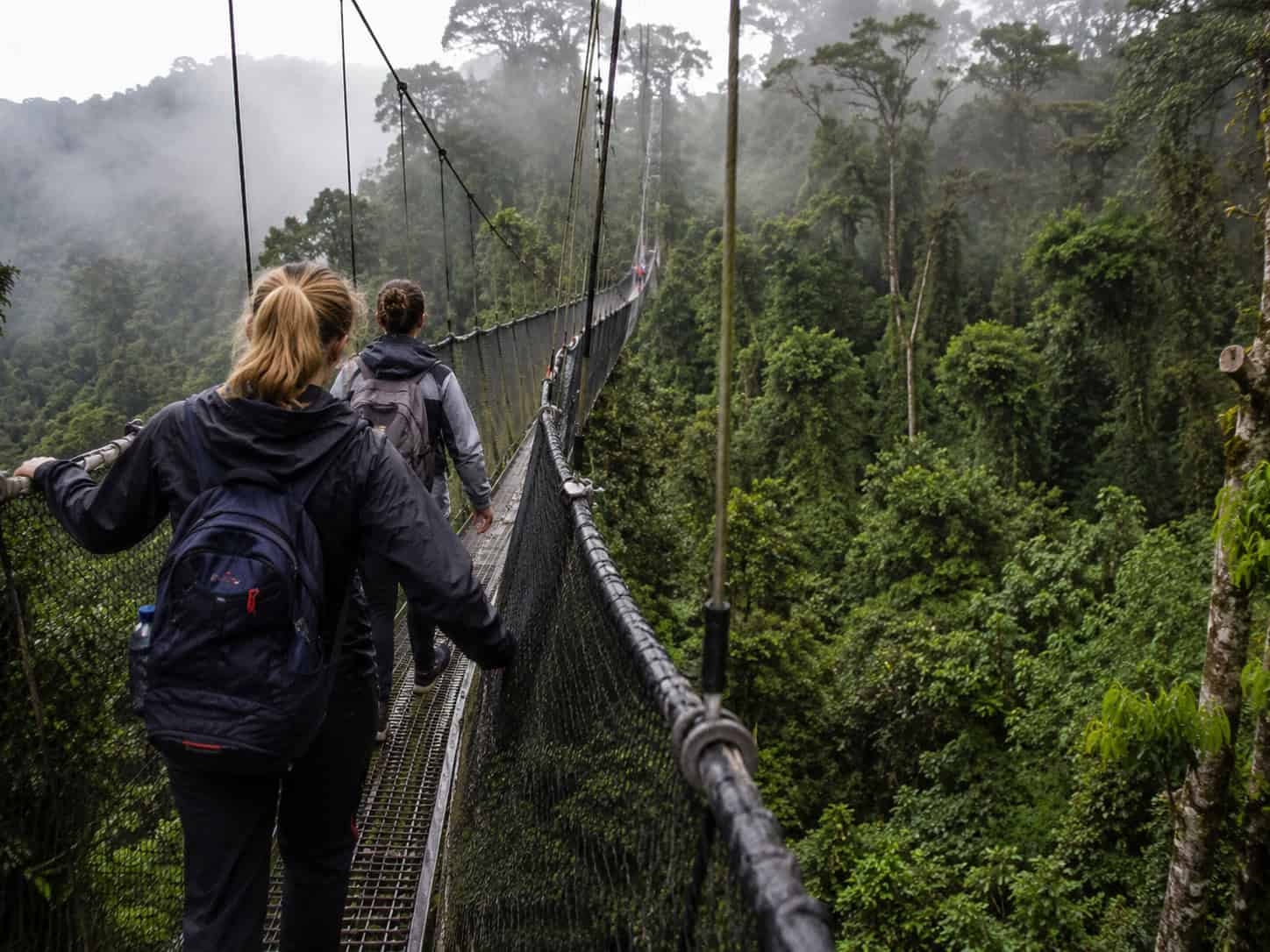
Do not treat Nyungwe as a quick return trip from Kibuye if you want to trek chimpanzees. The early starting times and forest distances make at least one night near the park the better arrangement. Kibuye works very well as a restful Lake Kivu stop before or after Nyungwe. You can arrive after forest trekking and slow down by the lake, or you can relax in Kibuye first before continuing south into the forest
Where to Stay in Kibuye, Rwanda
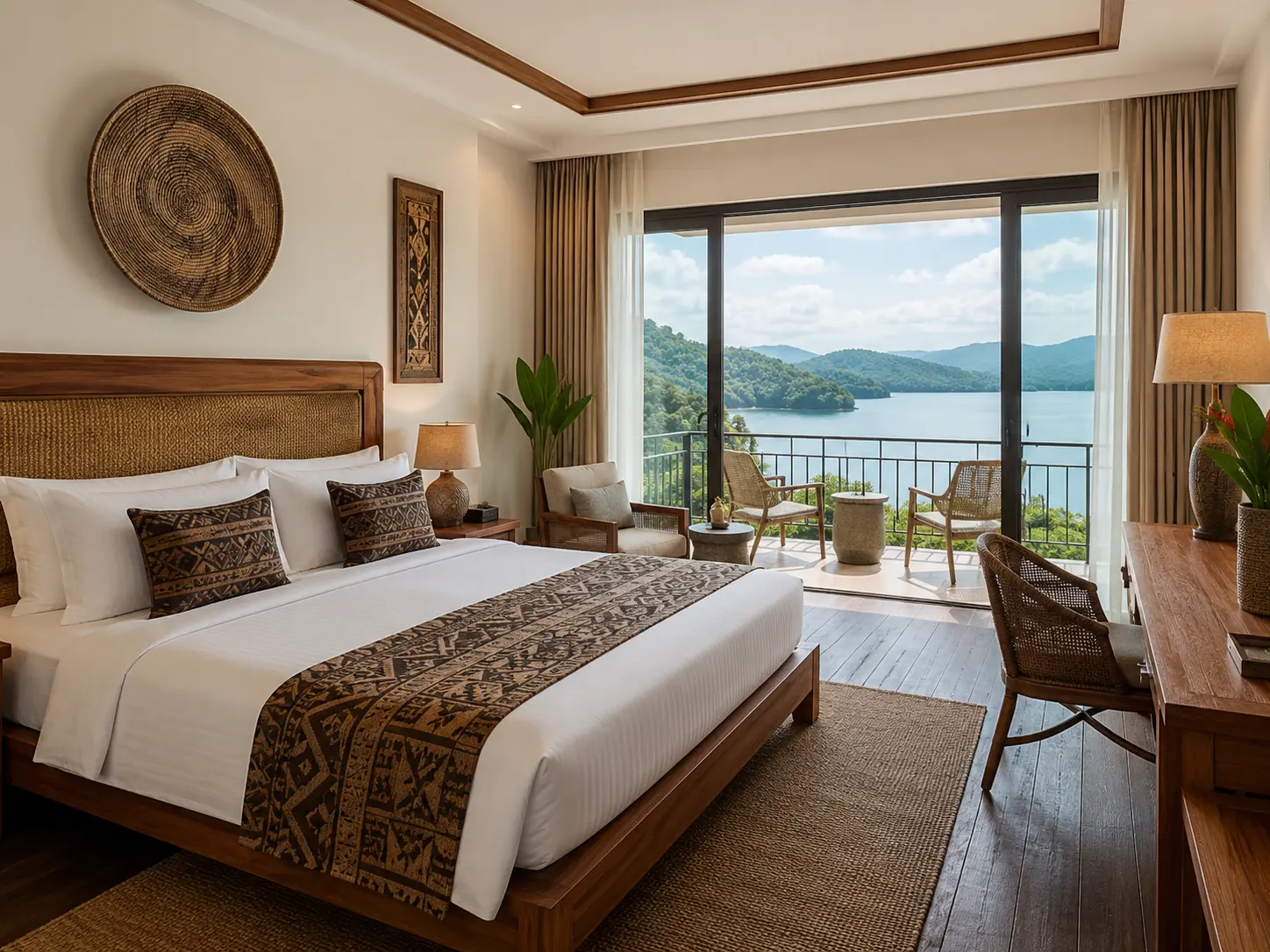
Kibuye has a good range of lakeside accommodation, from simple guesthouses to comfortable mid-range lodges and polished Lake Kivu retreats. The best place to stay depends on how close you want to be to the water, whether you prefer a quiet hillside view, a peninsula setting, or an easy base for kayaking, island visits, fishing boat views and relaxed evenings by Lake Kivu.
Best Hotels and Lodges in Kibuye
- Home Saint Jean
A good budget choice in Kibuye, set on a rocky position overlooking Lake Kivu. It suits travellers who want simple rooms, lake views, beautiful sunrise and sunset views, hot water, and an easy restaurant and bar setting without paying high lodge rates. - Cormoran Lodge
A strong mid-range option for travellers who want one of the best lake viewpoints in Kibuye. The lodge sits on a hill close to Lake Kivu and has 5 wooden cottages, giving it a small and intimate feel. It works well for couples, families and travellers who want calm evenings above the water. - Moriah Hill Resort
A polished lakeside stay on its own scenic peninsula in Karongi. Open since 2003, it has a relaxed resort feel with lake views, warm service, comfortable rooms, a sauna, gym and healthy dining options. It works well for travellers who want comfort after kayaking, island trips or visits around Kibuye. - Cleo Lake Kivu
A more stylish hillside retreat overlooking Lake Kivu. It suits travellers who want a quieter, more polished stay with a swimming pool, spa treatments, farm-to-table dining and a more personal lakeside atmosphere. It is a good choice for couples, families and solo travellers who want comfort without feeling too busy. - Umurobyi Lodge
A peaceful lodge on the farthest peninsula in Kibuye, close to the bay where traditional fishing boats leave at night to catch Sambaza. This is a good place for travellers who want to slow down, watch the fishing rhythm on the lake, enjoy island views and feel the local lakeside mood of Kibuye. - Lake Kivu Serena Hotel
This is a wider Lake Kivu luxury option rather than a central Kibuye stay, as it is farther north in Gisenyi. It has a private beach and a large swimming pool, giving it more of a full beach-resort feel. It fits travellers who want a more luxurious Lake Kivu stay before or after visiting Kibuye.